You don’t know the Dark Web and that’s probably a good thing [Video]
Share
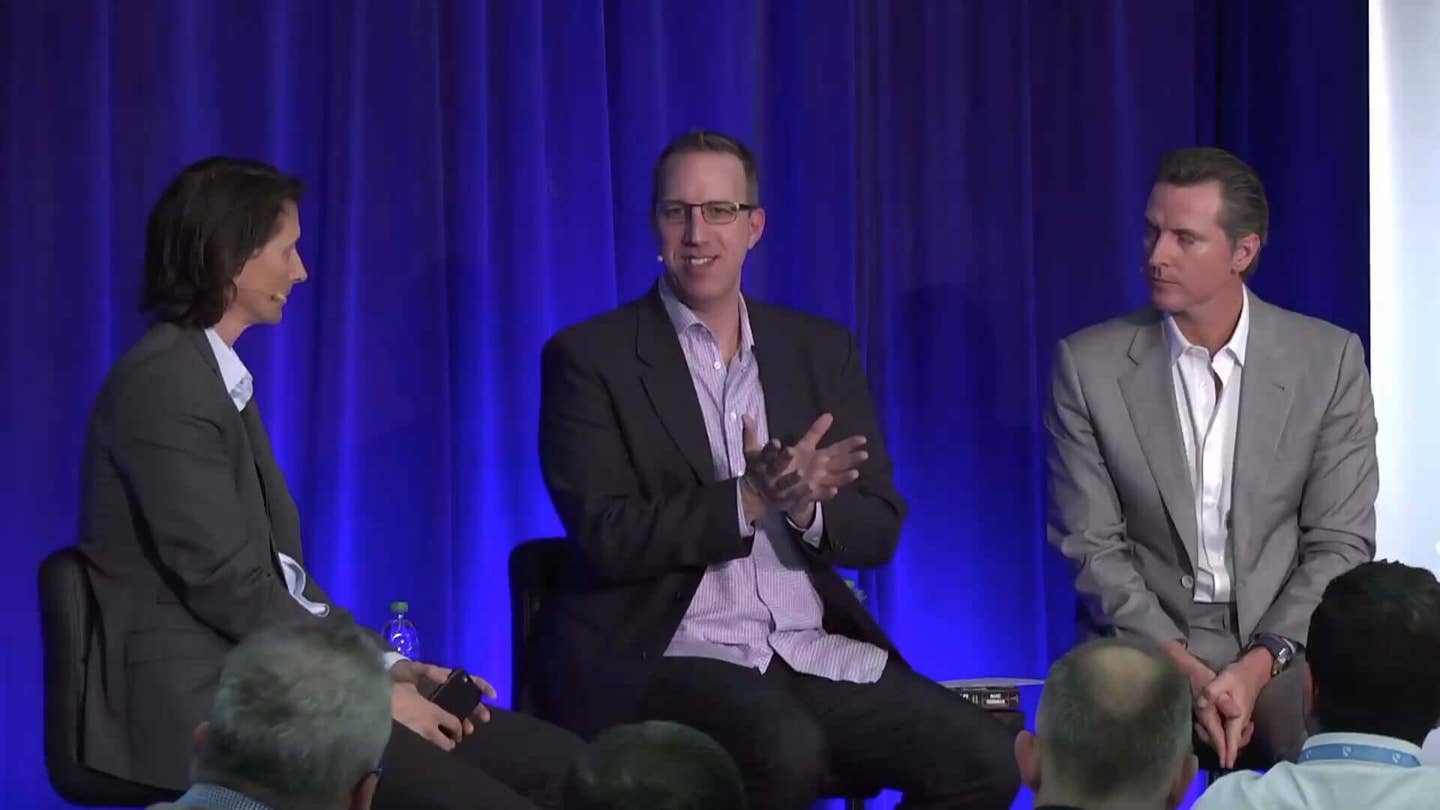
Discussing security and internet privacy on a panel with California Lt. Governor Gavin Newsom and Singularity University CEO Rob Nail, Goodman nicely distinguishes the Surface, Deep, and Dark Webs.
In all likelihood, you probably have never opened your browser and searched for illegal drugs or guns, but that doesn't mean they aren't for sale online.
When you type something into a search engine, you assume that the search engine pours over the entire web to help you find what you're looking for. But Google only reaches about a sixth of the Surface Web—those sites on the internet that can be indexed and are available to the public. The other part of the internet is the hidden or Deep Web, which search engines can't reach, consisting of pages that are private, behind paywalls or just not readily accessed given today's search engines. Considering both the Surface and Deep Webs together, Google only accesses 0.03% of the entire internet.
Be Part of the Future
Sign up to receive top stories about groundbreaking technologies and visionary thinkers from SingularityHub.

Within a portion of the Deep Web, criminal activity takes place. It's called the Dark Web, and as security expert and Future Crimes author, Marc Goodman, makes clear, it's where anything goes.
[image: GlebStock/Shutterstock]

Related Articles

US Launches $215 Million Race to Build an Error-Corrected Quantum Computer by 2028

The Real AI Disruption Isn’t the Technology. It’s the Company.
Monochrome No More: New Night-Vision Glasses Show Color
US Launches $215 Million Race to Build an Error-Corrected Quantum Computer by 2028
The Real AI Disruption Isn’t the Technology. It’s the Company.
Monochrome No More: New Night-Vision Glasses Show Color
What we’re reading