Student Project Turns Ordinary Desk Lamp Into An Animatronic Homage To Pixar

Share
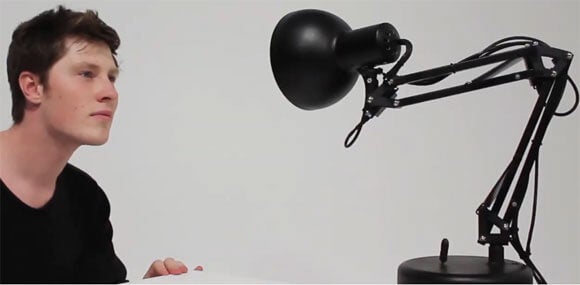
Three students at the Victoria University of Wellington in New Zealand set out to bring a very famous lamp to life: Pixar's lamp from its Luxo Jr animated short. The project, dubbed Pinokio, was for their Physical Computing design course and in mid November, they posted their project video on vimeo. Now it's been viewed close to half a million times.
Using a standard desk lamp, six servo motors, a webcam, and an Arduino board, the students programmed the lamp to demonstrate lifelike behaviors akin to the famous animated lamp from Pixar. It does this through facial tracking and sensing sounds along with some programmed behaviors related to a response, such as turning off its switch.
Check out the video for yourself:
Be Part of the Future
Sign up to receive top stories about groundbreaking technologies and visionary thinkers from SingularityHub.

Now the question is, does anyone really want a lamp that behaves like this?
Probably not, but that isn't why this is a big deal. It's really about how the students achieved a level of personality in a real thing on par with an animated version (usually we applaud when it's the other way around). Picking the lamp was a wise choice because it lends itself well to actions being anthropomorphized, as Pixar discovered years ago, so lifelike behaviors can be communicated in recognizable ways. Nonetheless, the behaviors feel authentic, though the range of behaviors doesn't seem very extensive.
Furthermore, consider the relative ease it took for the students to bring this lamp to life, as it appears this was a midsemester project. It's ripe for further exploration, either by the students themselves or a company looking at commercialization.
Living in a world where inanimate objects are responding physically to us, whether it is the Pinokio lamp or a plant as Disney labs has recently shown, will take getting used to for some, and for others, it's a dream come true.

Related Articles
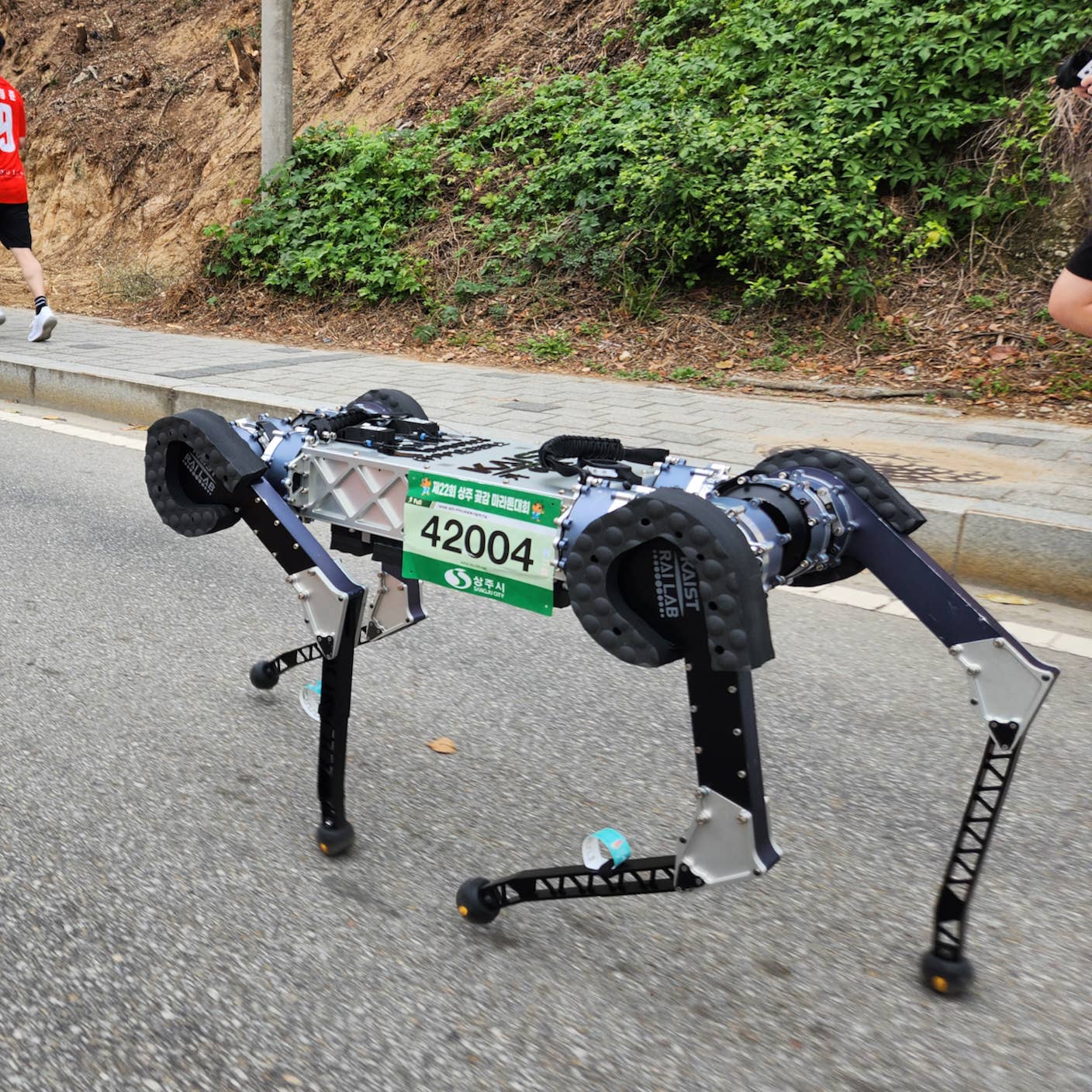
This Robot Dog Crushed a Marathon Without Stopping to Recharge
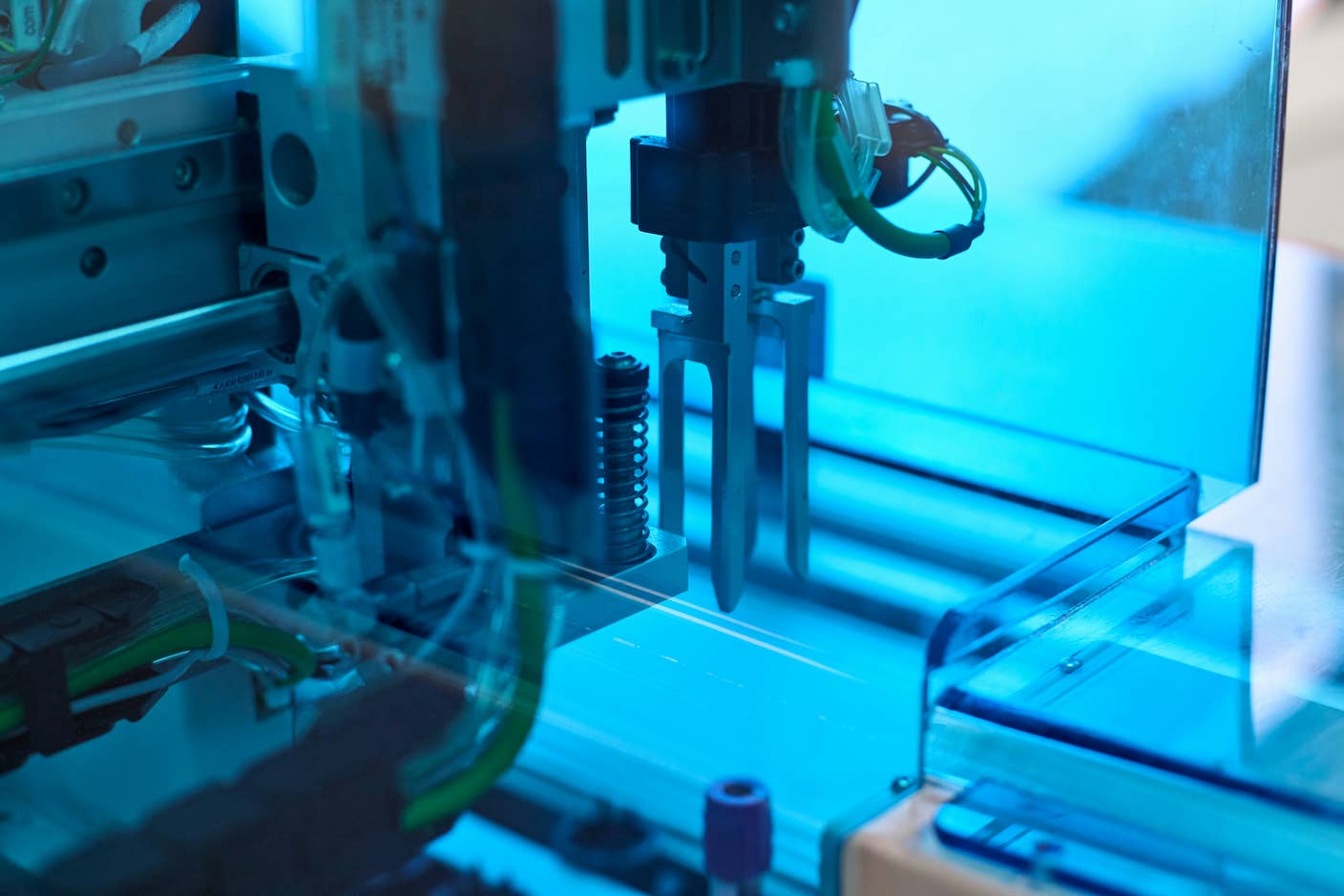
Anthropic’s Claude Can Now Autonomously Run Science Experiments With Lab Equipment
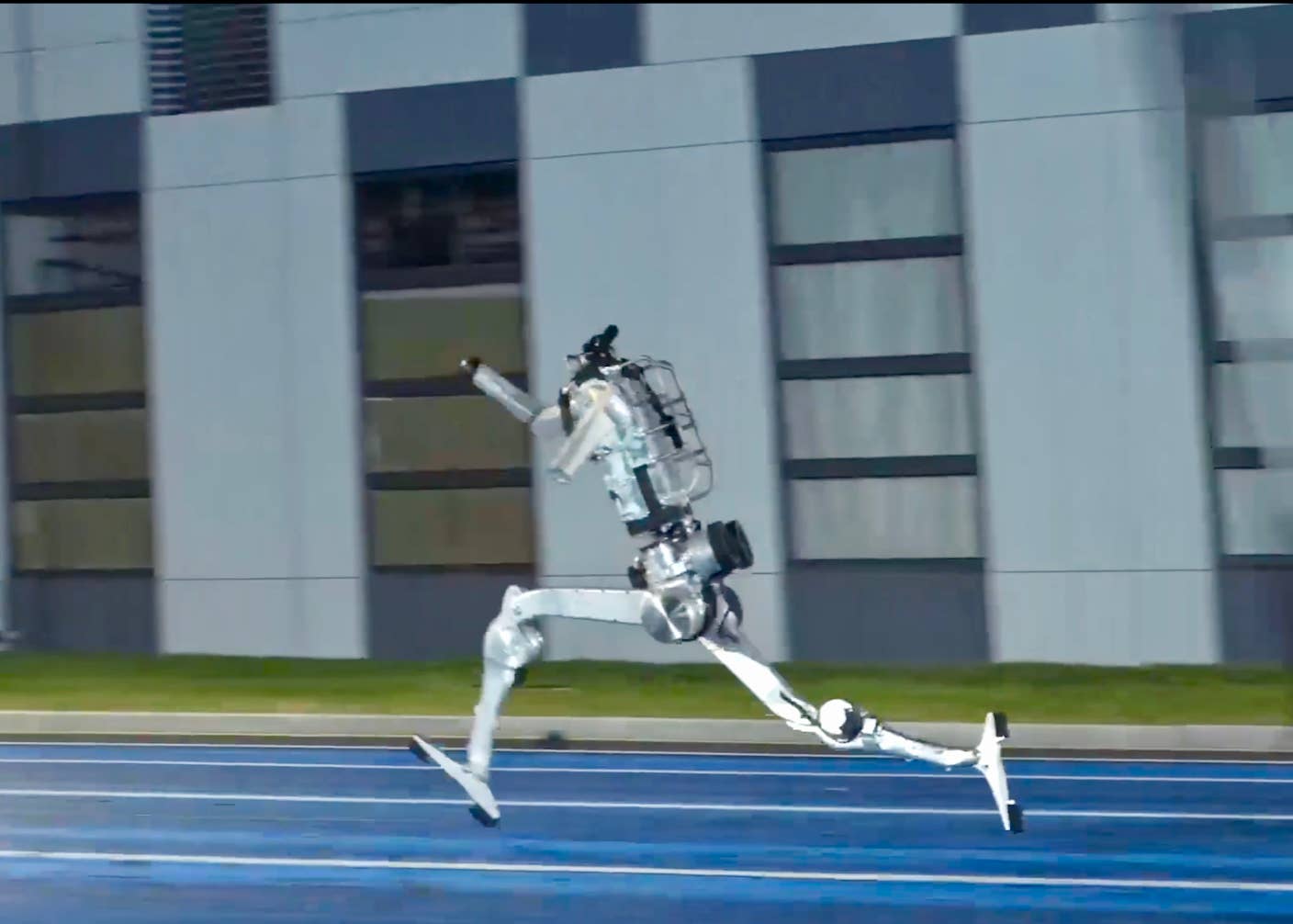
Unitree Claims New Humanoid Robot Outruns Usain Bolt
This Robot Dog Crushed a Marathon Without Stopping to Recharge
Anthropic’s Claude Can Now Autonomously Run Science Experiments With Lab Equipment
Unitree Claims New Humanoid Robot Outruns Usain Bolt
What we’re reading