US Solar Surged 35% in 2025, Overtaking Hydro for the First Time
Fossil fuels still dominate the energy mix. But growth in renewables offset nearly 75% of new power demand.
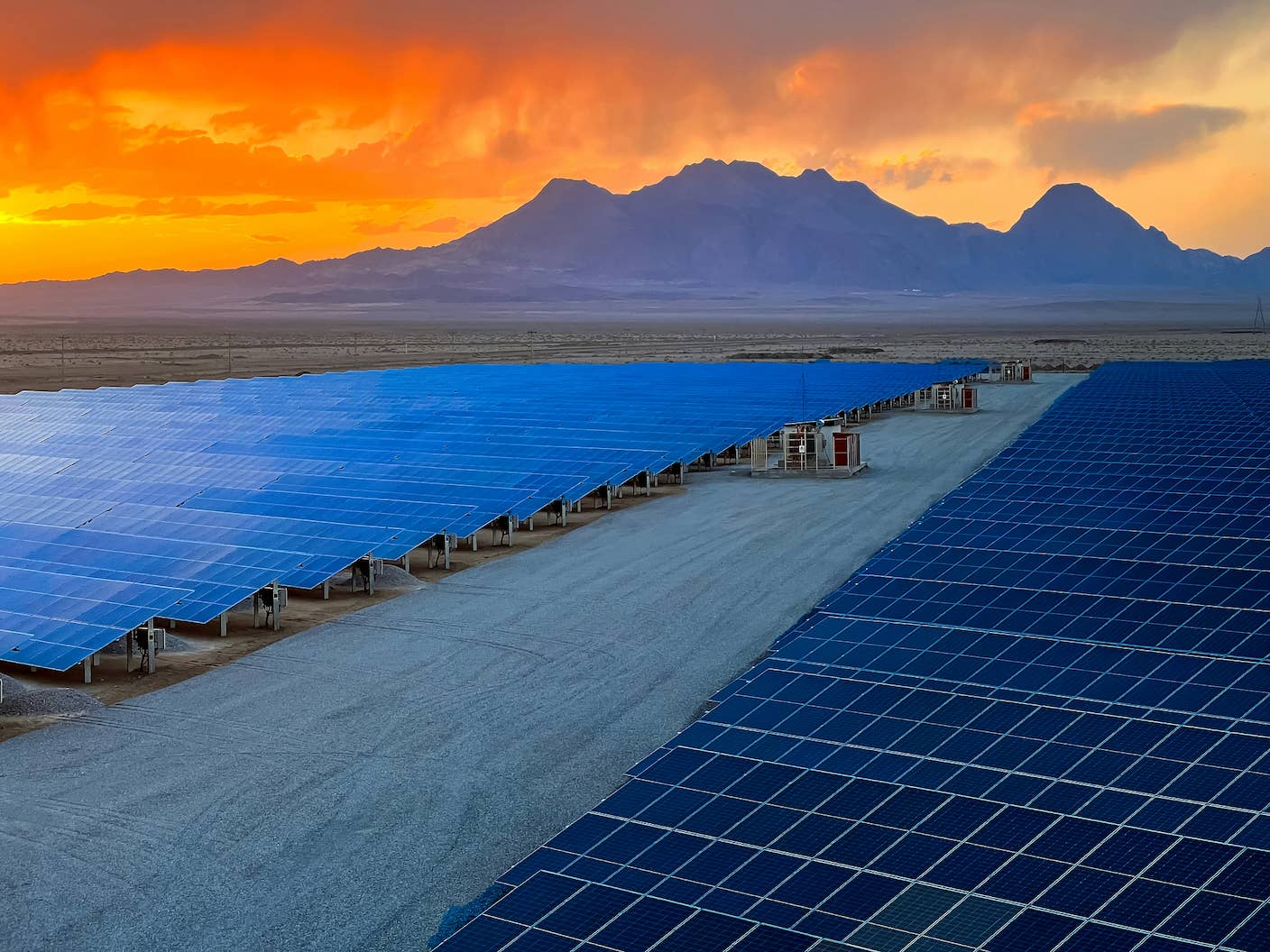
Image Credit
Dad hotel on Unsplash
Share
Booming energy demand is driving a scramble to set up new generating capacity, and one technology is proving to be the clear winner. Newly released federal data shows that solar power grew by more than 35 percent year-over-year in 2025, outpacing all other forms of generation.
After decades of relatively flat electricity use, US power demand is rising again. A new report from the US Energy Information Administration shows that consumption jumped 2.8 percent in 2025, thanks to rising industrial activity and the rapid expansion of energy-hungry AI data centers.
While increased fossil-fuel generation met much of that additional demand—a revival in coal, in particular—solar power posted the fastest growth of any major source. According to an analysis by Ars Technica, the Energy Information Administration data shows US solar generation increased by more than 35 percent year-over-year, driven by 27 gigawatts of newly installed capacity.
The surge pushed total solar output above hydroelectric power for the first time in terms of total annual generation. Hydropower output itself was relatively stable compared with the prior year, while solar continued its recent breakneck expansion, with capacity increasing rapidly across multiple regions.
Solar’s surge, which added about 85 terawatt-hours of generation, met about two-thirds of the increased energy demand. This number rose to 73 percent when combined with wind power, which grew by a more modest 2.8 percent.
But the data’s not-so-silver lining is that the remaining demand was met primarily by 13 percent growth in coal power. That bucks the recent trend of coal’s diminishing importance in the US power supply and was driven by a complex confluence of changes in the US energy system.
In previous years, natural gas has been the go-to fossil fuel due to abundant domestic supply and the ability to rapidly ramp power up and down. However, the Trump administration’s tariff policies have made it more difficult and expensive to source the equipment for gas power plants, and rapid expansion in gas exports means domestic utilities are competing with foreign buyers for fuel.
Be Part of the Future
Sign up to receive top stories about groundbreaking technologies and visionary thinkers from SingularityHub.

Altogether, this made gas generation a less reliable bet, and generation actually shrank 3.3 percent last year. That made coal a more attractive option, and its position in the US energy mix grew.
Still, the outlook remains bright for renewables, and solar in particular. A recent Energy Information Administration analysis showed roughly 43 gigawatts of utility-scale solar capacity is planned or under construction for 2026, potentially making it an even bigger year for solar than 2025. More than half of this new capacity is in just four states: Texas, Arizona, California, and Michigan.
And wind power’s growth could more than double this year with planned additions of 11.8 gigawatts, 60 percent of which are in New Mexico, Texas, Illinois, and Wyoming.
Growth in renewables will also be supported by another record-breaking year for added battery storage. Last year, the industry added a record 15 gigawatts of capacity to the grid. Planned projects would grow capacity by another 24 gigawatts in 2026, 80 percent of which will be in Texas, California, and Arizona.
It’ll be a while yet before green energy overtakes fossil fuels, which still accounted for 58 percent of total generation in 2025. But the data suggests the energy transition is well underway. If solar and wind continue to meet growing energy demand, the US energy system could soon look very different.

Related Articles
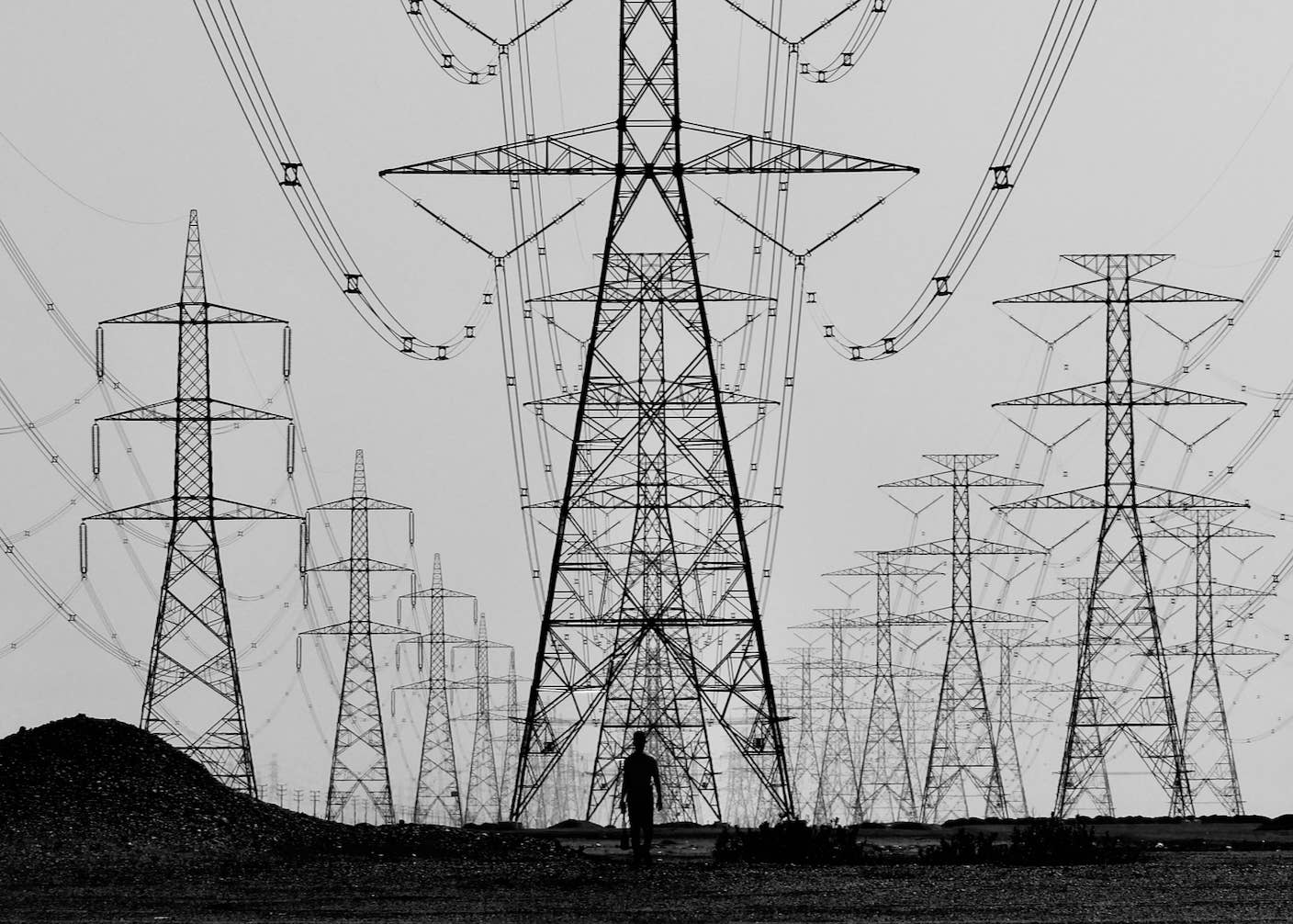
The Mad Scramble to Power AI Is Rewiring the US Grid

Meta Will Buy Startup’s Nuclear Fuel in Unusual Deal to Power AI Data Centers
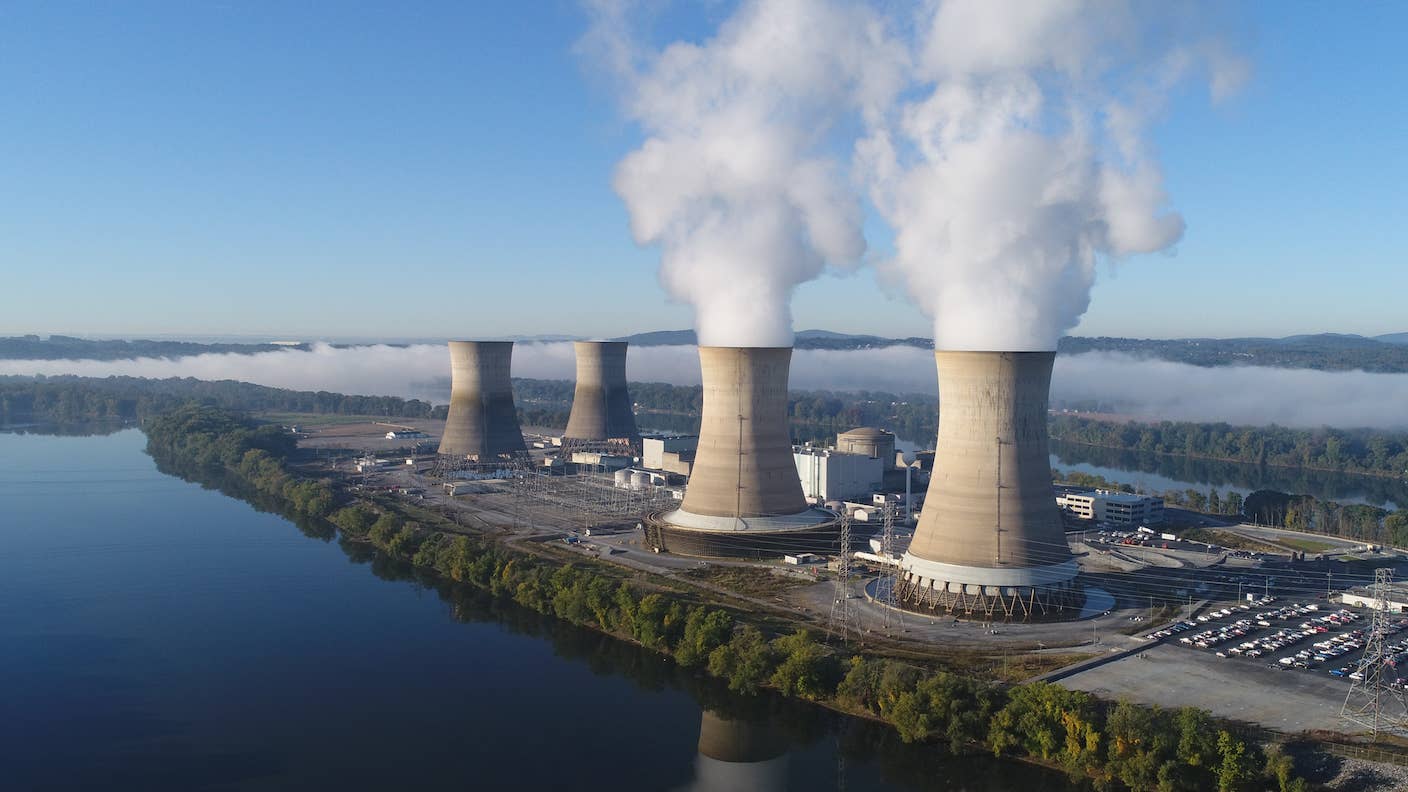
Your ChatGPT Habit Could Depend on Nuclear Power
The Mad Scramble to Power AI Is Rewiring the US Grid
Meta Will Buy Startup’s Nuclear Fuel in Unusual Deal to Power AI Data Centers
Your ChatGPT Habit Could Depend on Nuclear Power
What we’re reading