Robots With Different Designs Can Now Share Skills
Abilities taught to one robot don't usually work on another. With a new approach, it's one and done.
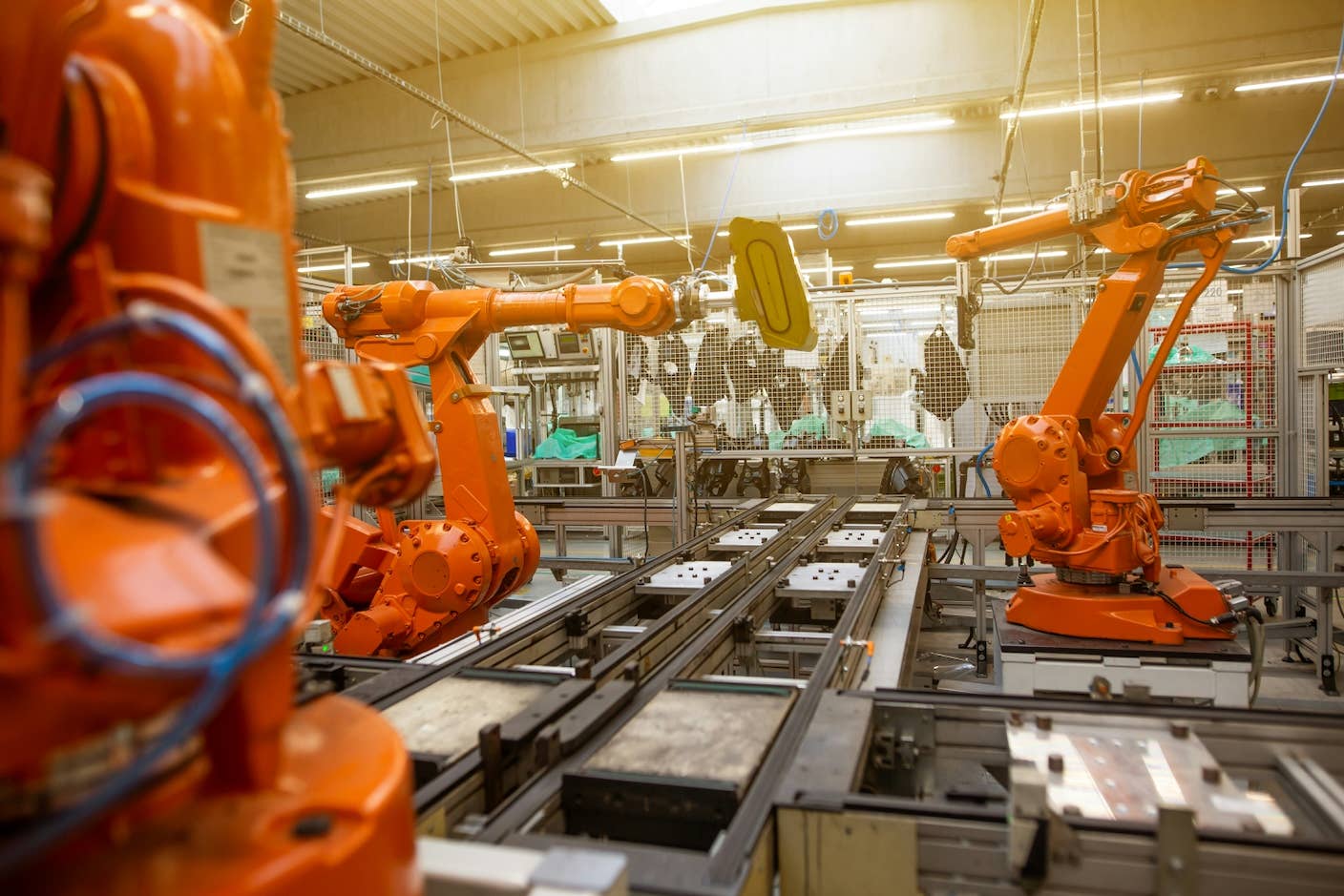
Image Credit
Simon Kadula on Unsplash
Share
As robots move into the real world, they’ll need to become more adaptable. But right now, it’s hard to transfer skills from one machine to another. A new system makes this possible.
One of the most popular ways to teach robots is to have a human show them what to do—either by physically guiding the robot’s joints, using remote control, or even drawing the desired motion.
But those skills are indelibly tied to each specific robot. If a company upgrades to a new robot with a different design, the skill breaks, and the robot has to be trained from scratch.
Researchers at the Swiss Federal Institute of Lausanne have now sidestepped this challenge by teaching robots to understand the limits of their own joints. In a paper published in Science Robotics, the new approach allowed multiple robots to complete a task based on a single human demonstration.

“With new designs come different capabilities and constraints,” Durgesh Haribhau Salunkhe, a co-author of the paper told Ars Technica. “The problem is to adapt to these constraints and capabilities—to faithfully replicate the actions demonstrated by a human.”
Surprisingly, the approach doesn’t rely on AI. Instead, the researchers analyzed the physical properties of several robotic arms with three rotating joints—a popular design in commercial settings—to map out their limits.
To complete a task, a robotic arm must calculate how to bend each joint to reach its target. It also has to avoid pushing the joints past their physical limits or twisting them at weird angles. Engineers call these limits “singularities” because they cause the math governing the robots’ motion to break down. Failures can cause sudden and unsafe movements.
The researchers mapped safe regions in each robot’s range of motion and sorted all three-joint robots into six categories based on shared physical limits.
Be Part of the Future
Sign up to receive top stories about groundbreaking technologies and visionary thinkers from SingularityHub.

They embedded these limits into each robot’s programming. The team calls this “kinematic intelligence,” essentially knowledge of what movements the machines can and can’t make safely.
If a movement pushes the robot into an unsafe zone, the system activates what the researchers call a “track cycle.” This is a strategy for skirting the danger zone, tailored to the robot's category. Some robots traverse horizontally along zones, others vertically, and some switch modes.
As a real-world test, the team set up a mock assembly line with three commercial robots: one whose movements are relatively constrained, another with more flexibility, and a third capable of a much wider range of motions.
A human demonstrated three tasks. They pushed an object off a conveyor belt, picked it up, placed it on a workbench, and then put it in a basket. Each robot tried these tasks, and despite the movements pushing them close to their limits, all three followed the demonstrations successfully.
The system currently handles a robot’s physical limits well and keeps movements safe. But it isn’t designed for unpredictable environments or complex decisions. So it’s likely best suited to highly controlled factory settings rather than the messier real world.
Still, allowing robots to share skills could make it easier to roll them out across a range of commercial settings. It won’t bring us the robot butlers Silicon Valley has promised, but it could accelerate the much more practical integration of robots in industry.

Related Articles
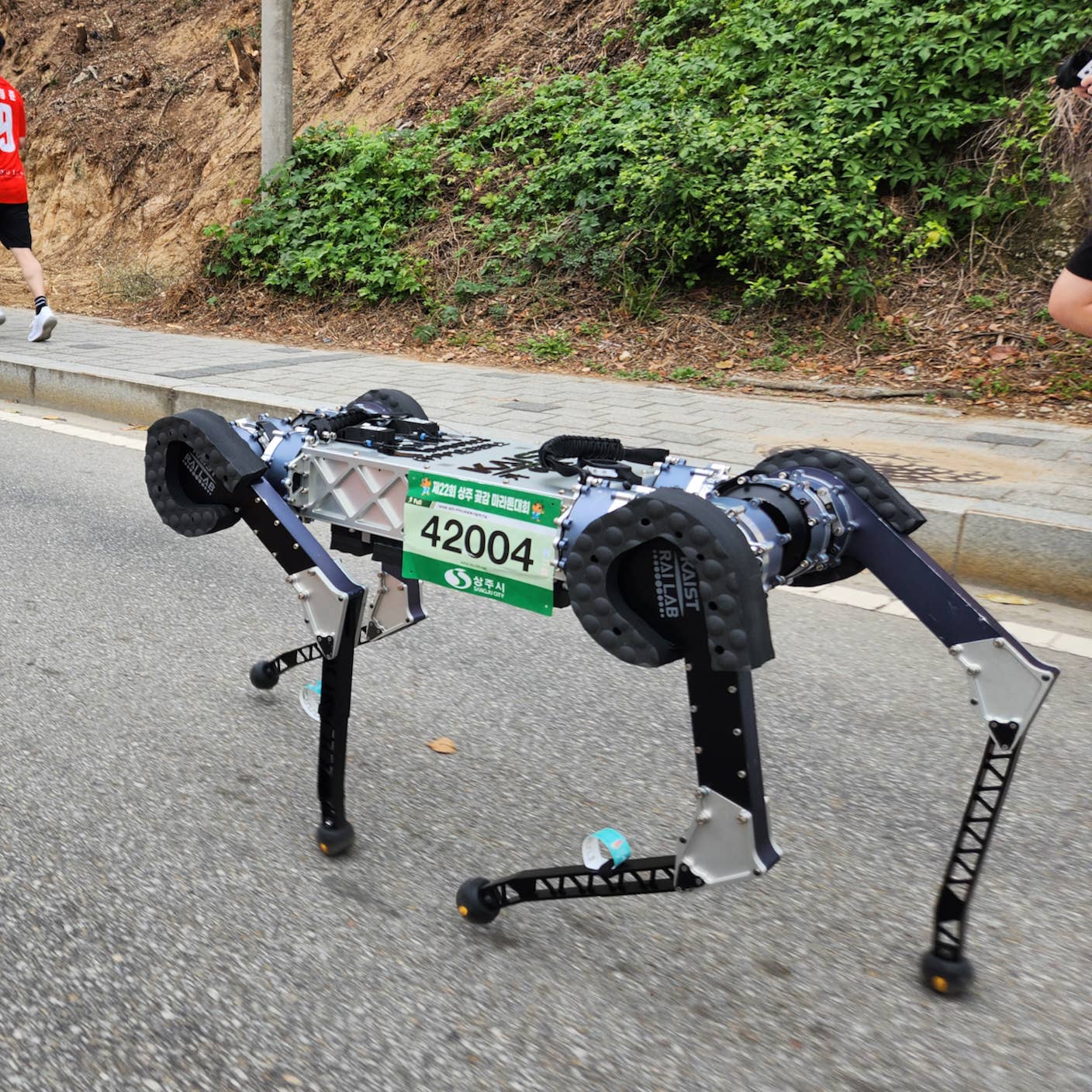
This Robot Dog Crushed a Marathon Without Stopping to Recharge
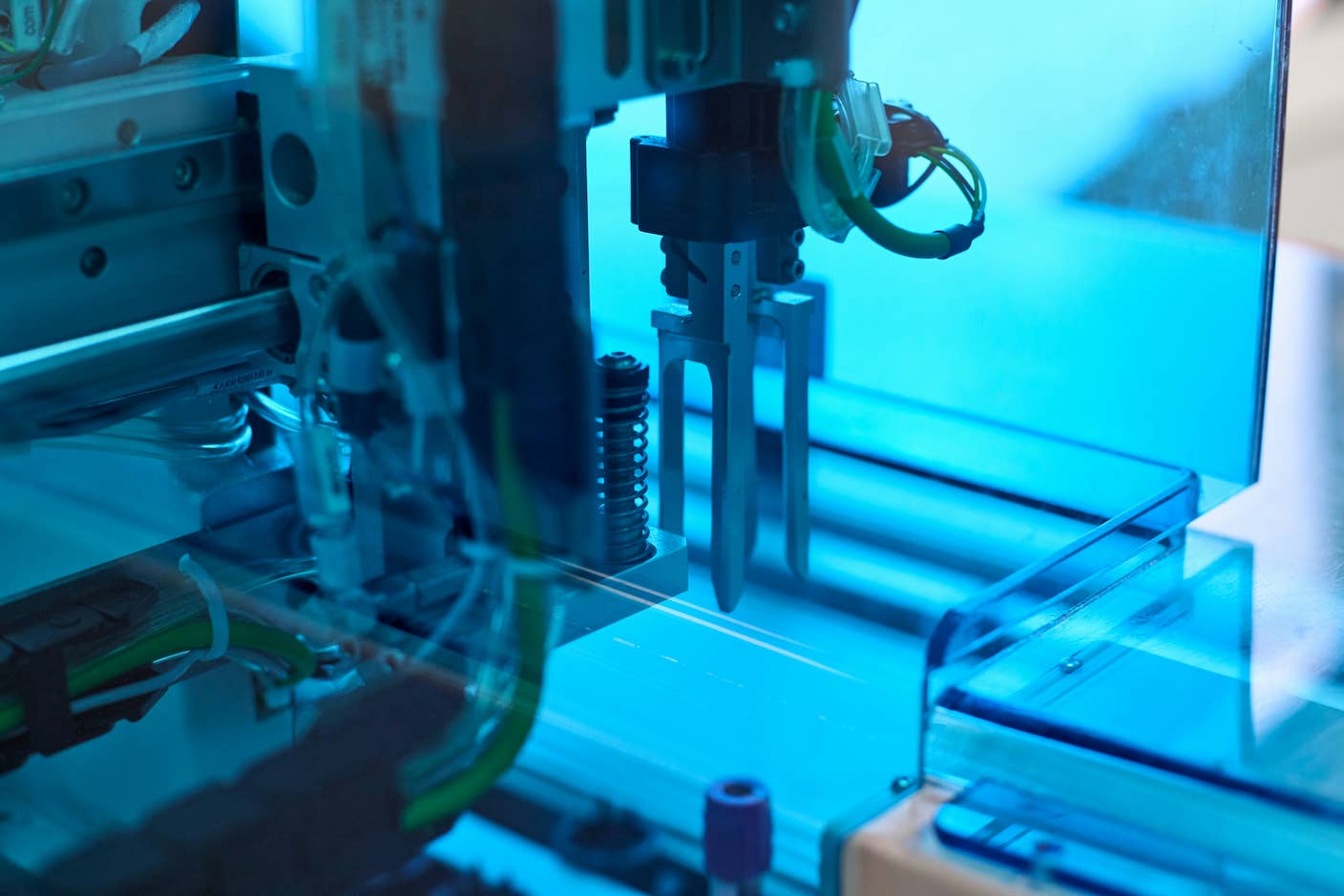
Anthropic’s Claude Can Now Autonomously Run Science Experiments With Lab Equipment
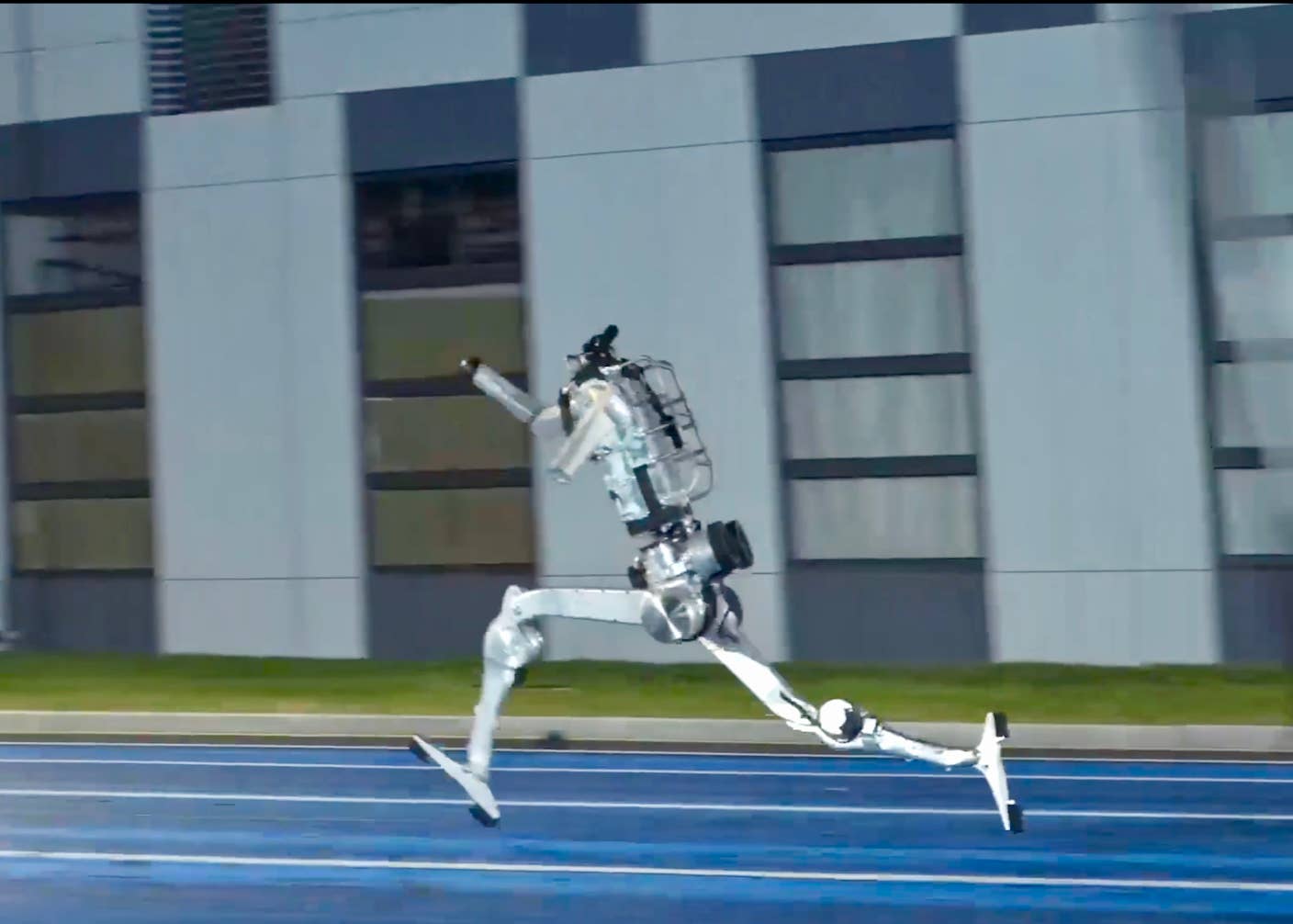
Unitree Claims New Humanoid Robot Outruns Usain Bolt
This Robot Dog Crushed a Marathon Without Stopping to Recharge
Anthropic’s Claude Can Now Autonomously Run Science Experiments With Lab Equipment
Unitree Claims New Humanoid Robot Outruns Usain Bolt
What we’re reading