Solar Beat Coal in US Electricity Mix for the First Time in May
Coal’s share has nearly halved over the last five years, while solar's has more than doubled. But tariffs and permitting delays could slow growth in the years ahead.
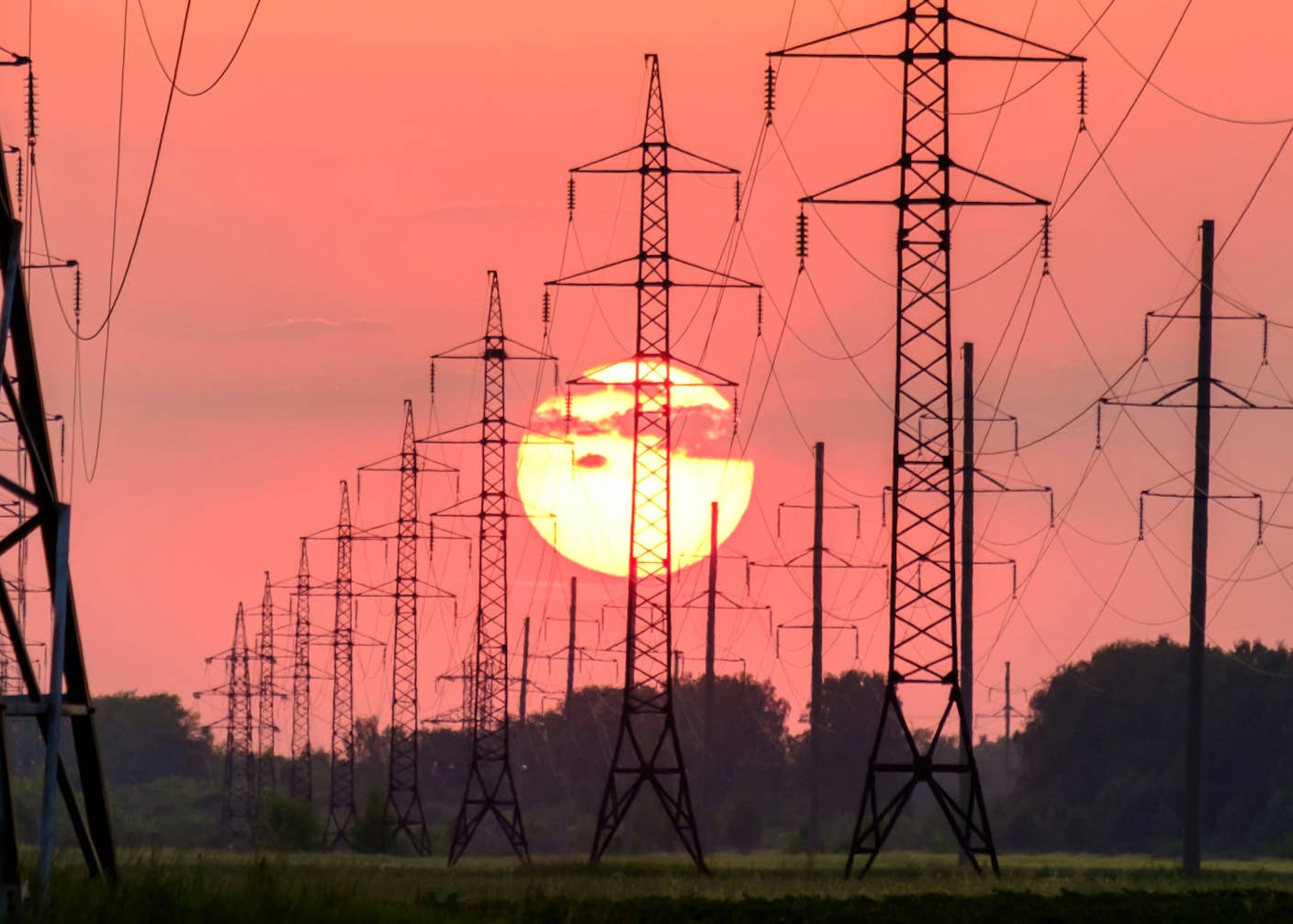
Image Credit
Andrey Metelev on Unsplash
Share
The transition away from fossil fuels is often framed as a long-term process, but recent data suggests the shift is already happening. Solar power has now crossed a major threshold in the US, surpassing coal in the electricity generation mix for the first time.
Despite the Trump administration’s attempts to drive a coal revival, it has been steadily losing ground to other energy sources in recent years, squeezed out by cheap natural gas and rapidly falling renewable energy prices. Solar power, in particular, has been on a tear as prices drop exponentially.
Last month, the two lines finally crossed. Solar supplied 12.8 percent of US electricity in May, edging past coal's 12.2 percent share to become the country's third-largest source of power behind natural gas and nuclear, according to recent data from energy think tank Ember.
"Overtaking coal for the first month on record shows just how far solar has come, from a niche contributor to the third-largest and fastest-growing source of power in the US electricity system," Nicolas Fulghum, senior data analyst at Ember, said in a press release.
The transition is as much about coal’s waning importance in the US energy system, as it is about solar’s growth. Coal’s share has nearly halved in five years, falling from 19.7 per cent in May 2021 to 12.2 percent today and hitting an all-time monthly low in April.
Over the same period, solar's share of electricity generation has more than doubled from 5.4 percent to 12.8 percent. And it hit an all-time high of 45.5 terawatt-hours in May, up 17 percent compared to the same month last year and above the previous record set in July 2025. Ember gets its data from the US Energy Information Administration.
The industry does face some headwinds though. A separate report from the Solar Energy Industries Association and analytics firm Wood Mackenzie found that the 7.8 gigawatts of new solar capacity added in the first quarter of 2026 is a 27 percent decline compared to the previous year.
Be Part of the Future
Sign up to receive top stories about groundbreaking technologies and visionary thinkers from SingularityHub.

This is partly due to regular seasonal patterns for the industry, says the report, but was also thanks to the expiry of a tax credit for residential installations and trade restrictions and tariffs targeting imported solar components from Asia initiated by the Trump administration. The government has also made it more difficult to get permits for new projects.
But despite the apparent slowdown, solar and battery storage together accounted for 91 percent of all new electricity-generating capacity added to the grid in the first quarter of the year. And the number of new utility-scale projects signed in the first quarter hit 6.3 gigawatts, a rise of 15 percent. Tellingly, the SEIA notes that states President Trump won in 2024 make up 74 percent of new solar capacity installed in that period.
“In a world of fluctuating fuel prices, energy buyers have made it clear that they want the security, low cost, and speed of solar and storage,” Darren Van’t Hof, interim president and CEO at SEIA, said in a press release.
“Impeding the only sector that is actively building new power is a reckless gamble that will only drive electricity bills higher. The stakes are simply too high for Washington’s permitting gridlock to continue.”
As a result of these barriers, Wood Mackenzie's five-year forecast predicts that annual additions will plateau around 43 gigawatts. That’s still an impressive pace of installation, but also a significant slowdown from the breakneck growth seen over the last couple of decades. So, while solar may have knocked one fossil fuel competitor off the podium, without a change in energy policy it may struggle to maintain its impressive momentum.

Related Articles

Scrapping a New Gas Car for an Electric One Could Cut Emissions, Study Finds

How to Tame AI’s Voracious Appetite for Energy

Three Countries Own the Lithium Market. An MIT Startup Wants to Break Their Grip.
Scrapping a New Gas Car for an Electric One Could Cut Emissions, Study Finds
How to Tame AI’s Voracious Appetite for Energy
Three Countries Own the Lithium Market. An MIT Startup Wants to Break Their Grip.
What we’re reading