Geron Explains Why First Embryonic Stem Cell Clinical Trial is Stalled
Share
As if waiting for eight years wasn't bad enough, we could see another few months pass before the first clinical trials for embryonic stem cells get underway. Geron (Nasdaq: GERN) won FDA approval for these trials back in January. Mid-August saw announced delays, and Geron finally revealed why on August 27th: cysts. As we mentioned before, Geron is looking to create a therapy for spinal cord injuries, and their latest round of animal tests revealed a larger than expected occurrence of small cysts. The official press release points out that these cysts are microscopic, not spreading, and actually fairly common with spinal injuries. Geron is dedicated to working with the FDA to get the trials back on track as soon as possible.
Being the first embryonic stem cell research to get FDA approval for clinical trials means that all eyes are on Geron. This is what people have been dreading/hoping for: that humans will finally see the benefits of the much debated use of stem cells from frozen embryos. It's the sort of work that Christopher Reeves advertised for and that many pressured George W. Bush to prevent.
Be Part of the Future
Sign up to receive top stories about groundbreaking technologies and visionary thinkers from SingularityHub.

Successful or stalling, Geron's research has large implications for the rest of the stem cell community. If they find a successful spinal cord therapy, thousands of patients in the US and abroad may finally find a way to reverse devastating injuries. Just as importantly, however, if Geron fails before they have a chance to start, or has its FDA approval permanently placed on hold, it may discourage investors looking to fund companies utilizing stem cell therapies. Both Geron and the FDA know that, and this hold may be an overly cautious delay to make sure that no larger problems arise later in the clinical trial.
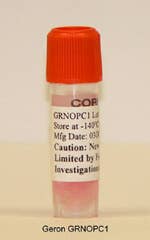
How serious is the cyst problem? Geron uses human embryonic stem cells to generate progenitor cells that regulate spinal cord nerve coverings. A cocktail of these cells, called GRNOPC1 is injected into mice that have been given a spinal lesion. As Geron point out, injuries to the spine such as this one cause much larger cysts in 50% of test subjects anyway. Furthermore, the cysts failed to develop into teratomas, alleviating concerns of uncontrolled cell growth and a repeat of that horrible scene from Total Recall.
While the FDA declines to comment on ongoing holds on clinical trials, Geron's press release would have you believe they are about to restart at anytime. Even if Geron is permanently stalled, though there's no reason to think that they would be, embryonic stem cell research will continue. Investor fear may slow things down, but the technology holds such amazing promise that it can't be contained. Even adult stem cells have been shown to have great success with diabetes, corneal blindness and other diseases. Stem cell research in China is proceeding rapidly, and animal therapies in the US are becoming common. Any way you look at it, the tide of stem cells is too powerful to be stopped by microscopic cysts.

Related Articles

Blind Patients Recover Partial Vision in Gene Therapy Trial
New AI Tool Could Help Scientists Make ‘Rare’ Cross-Disciplinary Leaps

The Evolving Quest to Build Life in a Lab
Blind Patients Recover Partial Vision in Gene Therapy Trial
New AI Tool Could Help Scientists Make ‘Rare’ Cross-Disciplinary Leaps
The Evolving Quest to Build Life in a Lab
What we’re reading