Anthropic Says AI Needs a Whole Lot More Power—Stat
The company predicts the AI industry will consume 50 gigawatts by 2028, and the US is not prepared to build out that much new capacity.
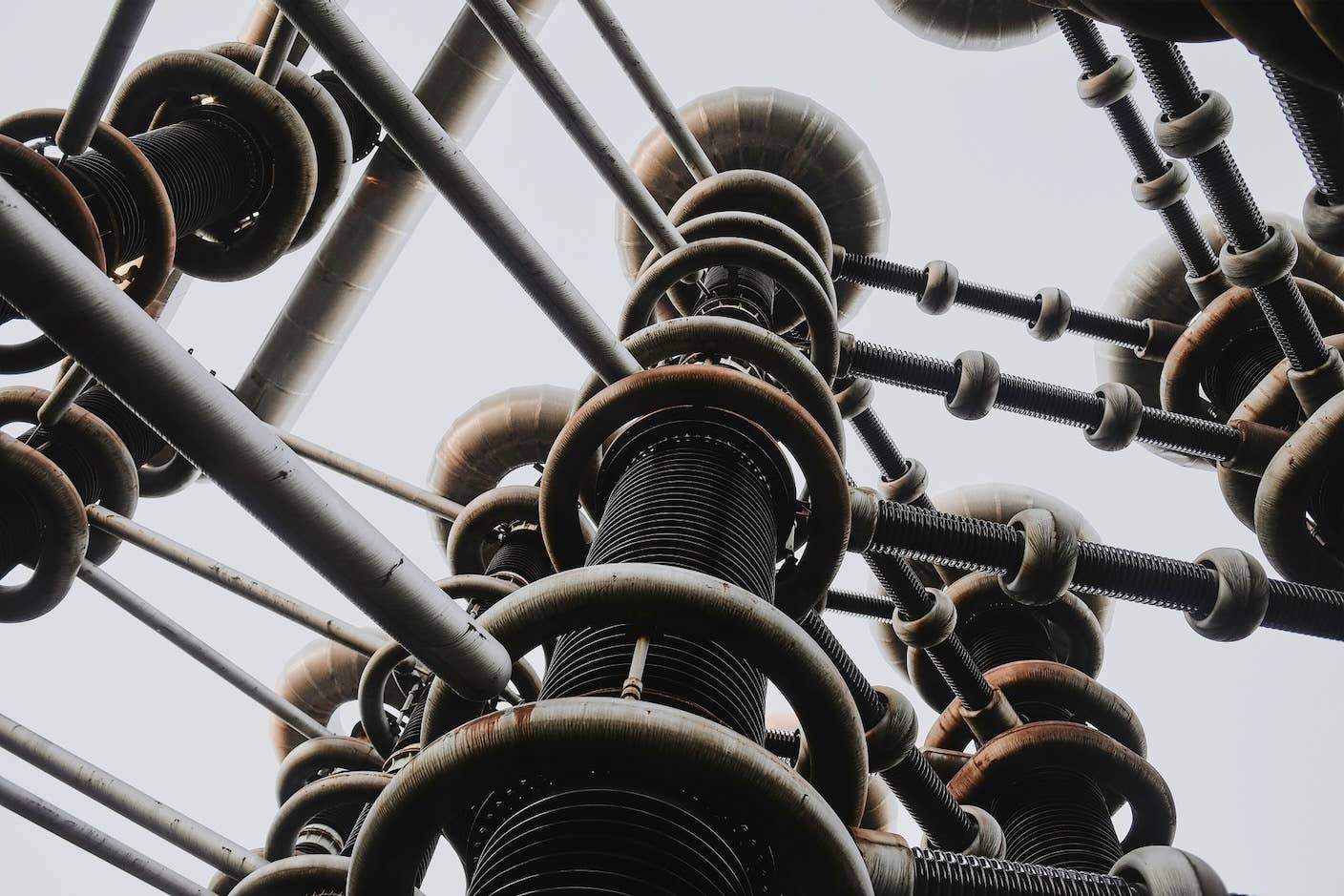
Image Credit
Liubov Novikova on Unsplash
Share
AI’s massive power consumption is making energy infrastructure a hot topic. In a new report, Anthropic says the US is seriously lagging China on new energy development and lays out what’s needed to maintain the country’s AI lead.
Training today’s largest AI models requires data centers that draw tens if not hundreds of megawatts of power at peak load. Anthropic predicts that by 2028, leading developers will require training clusters with up to five gigawatts of capacity.
With several companies competing to train the largest models, that could add up to around 25 gigawatts of new power requirements for training alone. Anthropic predicts that at least as much power will be needed to run finished models for customers, suggesting the US needs to deploy another 50 gigawatts of capacity in the next three years. And that’s on top of what is needed to meet already rising energy demands.
But getting new energy projects up and running in the US can be cumbersome, Anthropic says, which is putting the country at a major disadvantage compared to China, which deployed an eye-watering 400 gigawatts of new capacity last year. In a white paper titled, “Build AI in America,” the company outlines regulatory and policy changes it thinks are needed to support the domestic AI industry.
“For the United States to lead the world in AI, we must make substantial investments in computing power and electricity that make it possible to build AI in America,” the company wrote in a blog post.
The report outlines three key areas where the US is moving too slowly—building data centers themselves, building generation facilities, and building the transmission systems required to get electricity from one to the other. It also identifies the three biggest barriers holding these efforts back.
The first is the array of permits that developers need to secure before starting construction on any of these projects, in particular those pertaining to the environment. The second is transmission approvals that must be sought from the state public utility commissions before building new power lines, which can take years. And the third is the interconnection approvals from utilities that allow facilities to connect to the grid and can also take years for sign-off.
Anthropic proposes a two-stream solution. To speed the development of new AI infrastructure, the report suggests allowing data centers to be built on federal lands to avoid local zoning processes and streamlining environmental review of these projects.
Be Part of the Future
Sign up to receive top stories about groundbreaking technologies and visionary thinkers from SingularityHub.

It also suggests the Department of Energy should partner with private firms to accelerate the development of new power lines and critical transmission upgrades. And the federal government should encourage utilities to speed up the interconnection of power sources and data centers, even using national-security powers to further accelerate the process.
The second pillar of their proposal focuses more on broader improvements to the country’s energy infrastructure. This includes streamlining permitting for new geothermal, natural gas, and nuclear power plants and developing special high-capacity transmission corridors to serve areas with high AI datacenter growth.
They also suggest using loans and guarantee programs to encourage greater domestic production of critical grid components like transformers and turbines and even creating a national reserve for these items. Finally, they suggest creating training and entrepreneurship programs to help boost the energy-industry workforce.
One of the company’s wishes already seems to have come true. President Trump announced plans to streamline datacenter and energy project permitting in his recent AI Action Plan.
Whether the rest of the proposals come to fruition remains to be seen. But there seems to be a growing consensus that winning the AI race will require some pretty hands-on industrial policy.

Related Articles

In the Scramble to Power AI, Investors Bet $140 Million on Data Centers at Sea
CATL’s New EV Battery Charges in Six Minutes
Printed Neurons That Mimic Brain Cells Could Slash AI’s Energy Bill
In the Scramble to Power AI, Investors Bet $140 Million on Data Centers at Sea
CATL’s New EV Battery Charges in Six Minutes
Printed Neurons That Mimic Brain Cells Could Slash AI’s Energy Bill
What we’re reading