Novel Gene Therapy Nearly Erases ‘Drug Resistant’ Seizures
Scientists have long used chemogenetics to study brains in the lab. A pilot trial for seizures is its first leap into medicine.
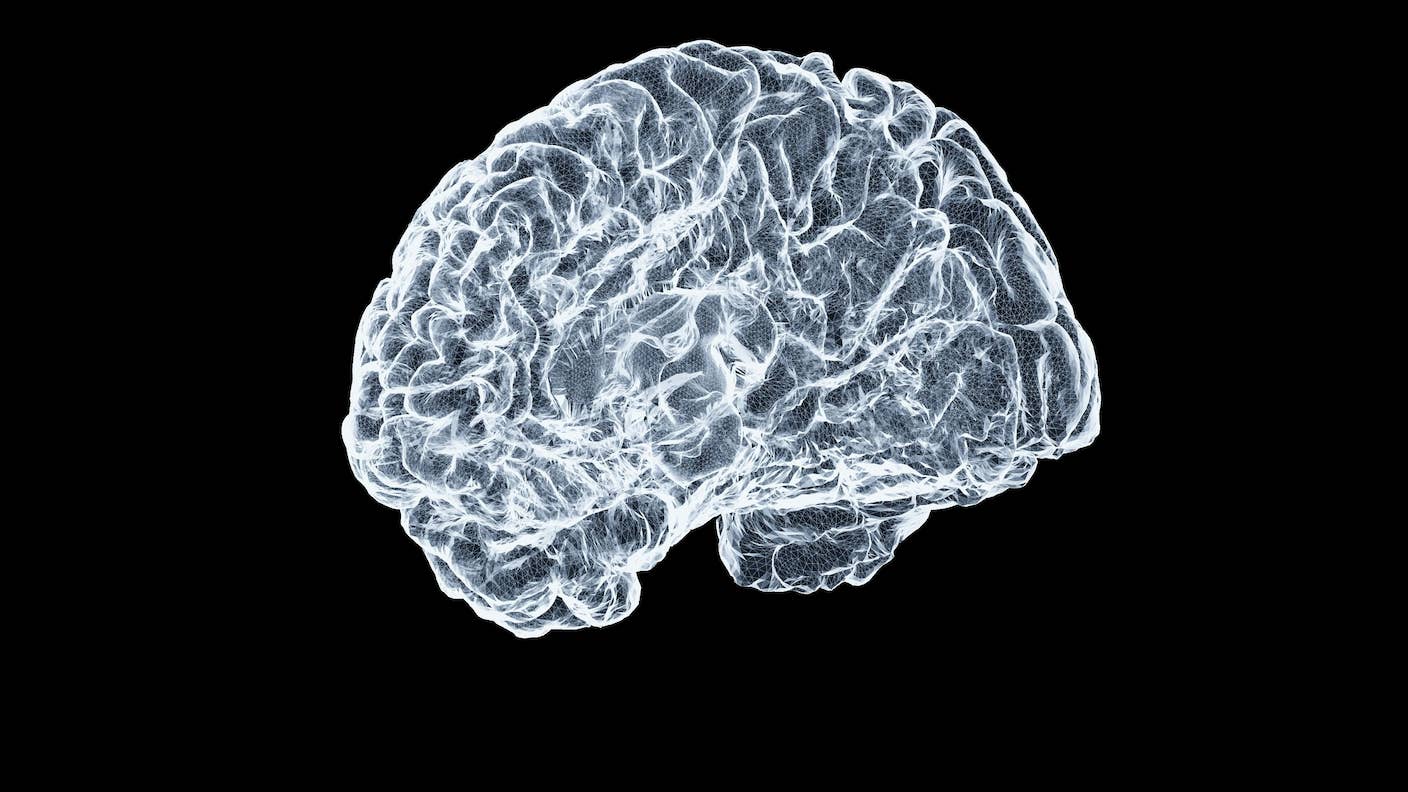
Image Credit
Shawn Day on Unsplash
Share
Flashing lights. Buzzing noises. A sudden wave of fear. For some people with epilepsy, these sensations herald an oncoming seizure.
Drugs can keep some seizures at bay, but over 30 percent of patients don’t respond to them, a statistic that hasn’t budged in decades. Frequent, uncontrolled seizures rob people of a normal life. They can’t drive or swim alone. Some struggle to stay in school, hold down jobs, or maintain relationships. And despite growing public awareness, stigma lingers.
For people with severe drug-resistant epilepsy, surgery is an option. If the seizures are associated with a local brain region, doctors can remove the tissue. It’s a drastic operation, but it isn’t rare. In 2024, over 2,000 patients elected to undergo the procedure. Depending on the brain region removed, surgery can control seizures in nearly 70 percent of patients, but they risk losing memory, language, and other cognitive abilities.
A new gene therapy could offer an alternative. In a clinical trial, three men who had lived with epilepsy for at least a decade saw monthly seizures drop over 90 percent. One remained seizure-free for a year.
In the trial, the team shuttled a gene into a small patch of the hippocampus, the source of their seizures. The gene produces a kind of protein “dimmer switch” in neurons. Normally silent, the protein springs into action when activated by an FDA-approved drug, allowing scientists to dial down the region’s electrical activity rather than shutting it off completely—something that’s not possible with current treatments.
The technology, called chemogenetics, has been a staple of animal research in neuroscience. The findings, though early, suggest it could finally make the leap into human medicine.
“It certainly has caused a lot of excitement in the field,” said Dimitri Kullmann at University College London to Chemical & Engineering News, who was not involved in the study.
Chemical Romance
Intricate webs of neurons underlie every brain function. Our ability to feel, move, remember, and reason all stem from electrical and chemical signals that wire brain cells into circuits.
It’s a delicate balance. Some neurons release chemicals that fire up their neighbors; others dampen them. In epilepsy, this goes awry. The causes are plenty. Genetic mutations can disrupt how neurons develop or function. Brain injuries, tumors, stroke, and infections can also fuel the condition. In some frustrating cases, the culprit remains unknown.
Rebalancing these circuits could tame runaway seizures. Most antiseizure drugs prevent neurons from firing too rapidly or boosting inhibitory chemical signals. But medication is a Band-Aid, not a cure. Because the drugs flood the whole brain, they can trigger fatigue, dizziness, mood swings, and sometimes more serious side effects, including liver or heart problems.
Dampening electrical activity at the source could be a better bet.
Around two decades ago, an emerging technology called chemogenetics first amazed neuroscientists with its precise control of single neurons.
The technology relies on two parts: gene therapy and a drug. First, an engineered virus delivers a gene encoding a designer receptor into targeted neurons. The receptor is silent until a specific drug activates it. By adjusting the drug’s dose, scientists can fine tune the activity of modified neurons. Rather than simply flicking neurons on or off, the approach is flexible and targeted.
Chemogenetics soon caught the attention of epilepsy researchers. In 2019, a team at Ghent University in Belgium tested the method in mice with seizures originating in the hippocampus. They delivered a designer receptor called hMADi to the region. A single dose of clozapine, an FDA-approved antipsychotic, controlled seizures for at least 15 hours. With repeated treatment, seizures nearly vanished. A subsequent study in monkeys also dramatically slashed seizures.
Given these encouraging findings, some researchers were ready to take the next step. “I think scientists like me felt like, ‘Why haven’t we tried it in humans yet?’” said study author Minmin Luo at the Chinese Institute for Brain Research.
Be Part of the Future
Sign up to receive top stories about groundbreaking technologies and visionary thinkers from SingularityHub.

Restoring Balance
The trial enrolled three men under 40 diagnosed with epilepsy for 10 to 25 years. All had tried at least two antiseizure medications without success. Brain scans traced their seizures to a scarred hippocampus on one side of the brain. The same structure on the other side remained healthy. Despite their long history of epilepsy, none showed notable signs of cognitive troubles.
Similar to previous work, the team delivered a gene encoding the hMADi receptor into the damaged region of each patient’s hippocampus in a series of three shots. A dye mixed with the therapy confirmed it reached nearly the entire region in two patients and spread slightly beyond it in the third. The infusion took roughly two hours.
Two weeks later, the men began taking clozapine pills every eight hours. After five months, their average monthly seizure count had dropped from roughly four to nearly zero. Brain recordings also showed far fewer epilepsy-related electrical spikes, and their damaged hippocampuses increased metabolism, though levels remained below those in the region’s healthy counterpart.
The benefits lasted. In check-ups throughout the following year, two patients remained seizure-free. The third experienced two “breakthrough” seizures after an unexpected interruption in medication, but the seizures stopped once he restarted the drug regime. All three participants also reported improved quality of life.
The study’s main goal, however, was to gauge safety. The viral carrier has a relatively established safety record, but high doses have been linked to severe immune reactions and even deaths. Delivering the therapy directly into brain tissue requires far smaller doses than when injected into the bloodstream and perhaps, counterintuitively, could be safer overall.
Blood tests, brain scans, and other assessments find no major side effects. One patient experienced a temporary rise in liver enzymes, a sign of liver stress, but levels returned to normal without intervention.
The team plans to expand the trial, but there are plenty of unsolved questions. All three men continued taking their existing antiseizure medications throughout the trial, making it difficult to isolate the treatment’s effects. For example, could clozapine have somehow synergized with those medications to reduce seizure counts? The study was also open-label, without a placebo control. And clozapine, when taken at high doses, carries risks of heart and other problems, though the doses given here were much lower than those used in psychiatric disorders.
Whether chemogenetics can deliver lasting seizure relief in larger groups remains to be seen. But its debut in human medicine is a hopeful glimpse of what’s possible, not just for epilepsy, but potentially for addiction, mood disorders, and other neurological conditions involving unbalanced brain circuits too.
“These findings offer initial proof of concept,” the team wrote.

Related Articles

Scientists Use AI-Designed CRISPR to Make Disease-Resistant Rice
Scientists Can Now Ask AI to Design Proteins Using Plain Language
CRISPR Prime Editing Rewrites DNA in the Human Body for the First Time
Scientists Use AI-Designed CRISPR to Make Disease-Resistant Rice
Scientists Can Now Ask AI to Design Proteins Using Plain Language
CRISPR Prime Editing Rewrites DNA in the Human Body for the First Time
What we’re reading