Amateurs Are Trying Genetic Engineering At Home

Share
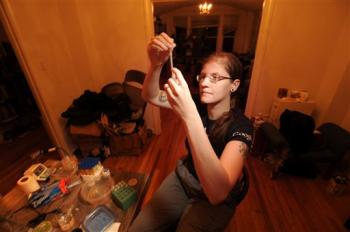
Marcus Wohlsen from the Associated Press came out with an article on December 26, 2008 describing the emergence of do it yourself genetic engineers (biohackers) working from their basements and garages. Biohacker Meredith Patterson is highlighted in her efforts to develop genetically altered yogurt bacteria that will glow green to signal the presence of melamine, the chemical that turned Chinese-made baby formula and pet food deadly. Biohackers like Patterson may or many not have professional or educational backgrounds in biology, yet with the availabilty of affordable tools and dna samples almost anyone can now give genetic engineering a try.
Wohlsen's article has caused quite a sensation across the net. Years from now the article very well may be seen as the catalyst that moved amateur genetic engineering from unknown hobby to full fledged global phenomenon. A few quick searches on google shows that the internet is virtually devoid of websites that specifically cater to the genetic engineering hobbyist. Wohlsen's article will only accelerate the inevitable mushrooming of several such sites in the coming years.
Be Part of the Future
Sign up to receive top stories about groundbreaking technologies and visionary thinkers from SingularityHub.

The ethical repercussions and potential dangers associated with amateur genetic engineering are clearly a concern for all of us. But the simple fact is that the rise of amateur genetic engineering, like any emerging technology, cannot be stopped. Rather than oppose this movement and push it into the much more dangerous world of black market activity, we need to embrace the movement with sensible regulation and healthy, open debate.
Carolyn Y. Johnson at the Boston Globe published a more comprehensive story in September 2008 that is also good reading.

Related Articles
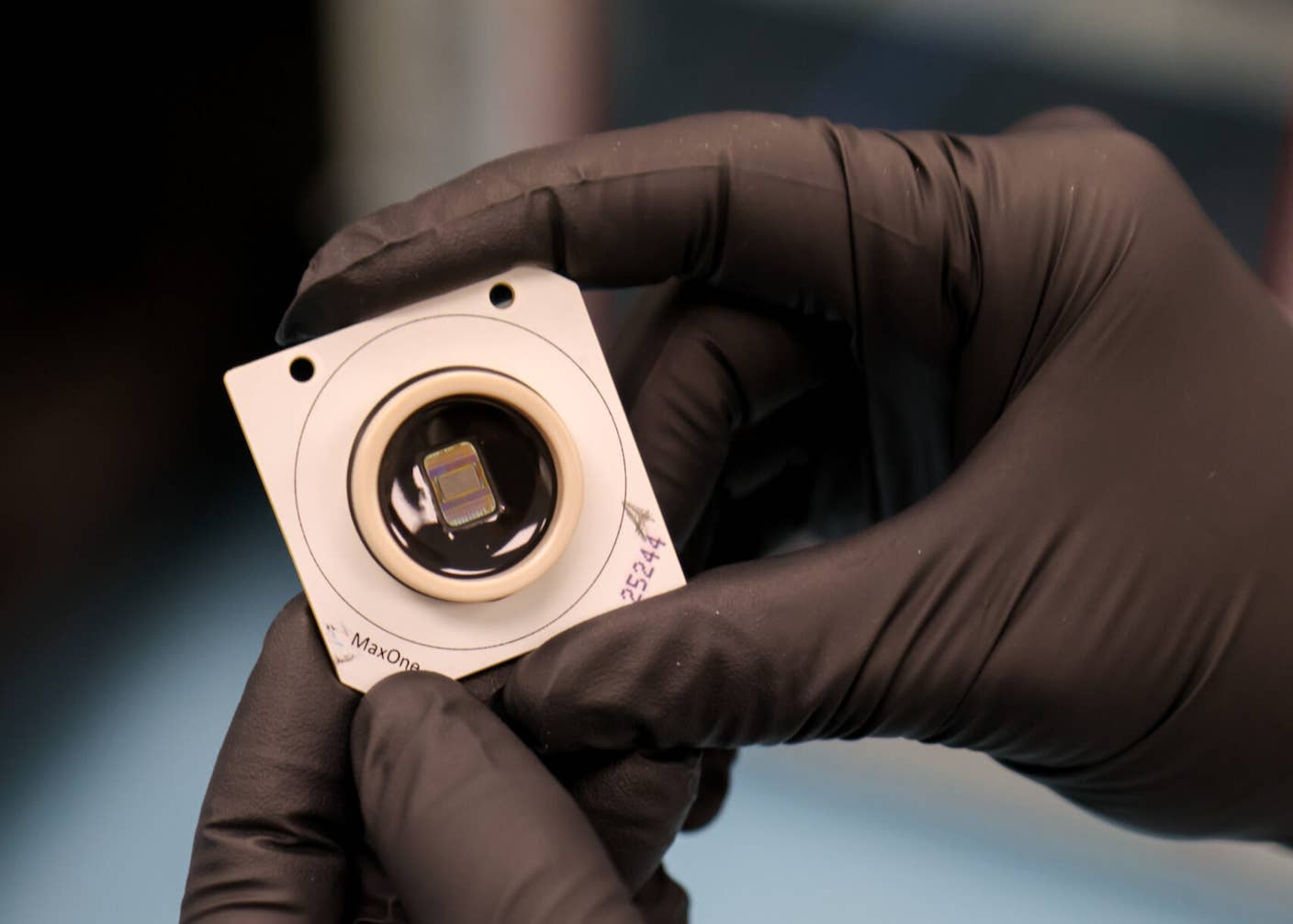
These Mini Brains Just Learned to Solve a Classic Engineering Problem
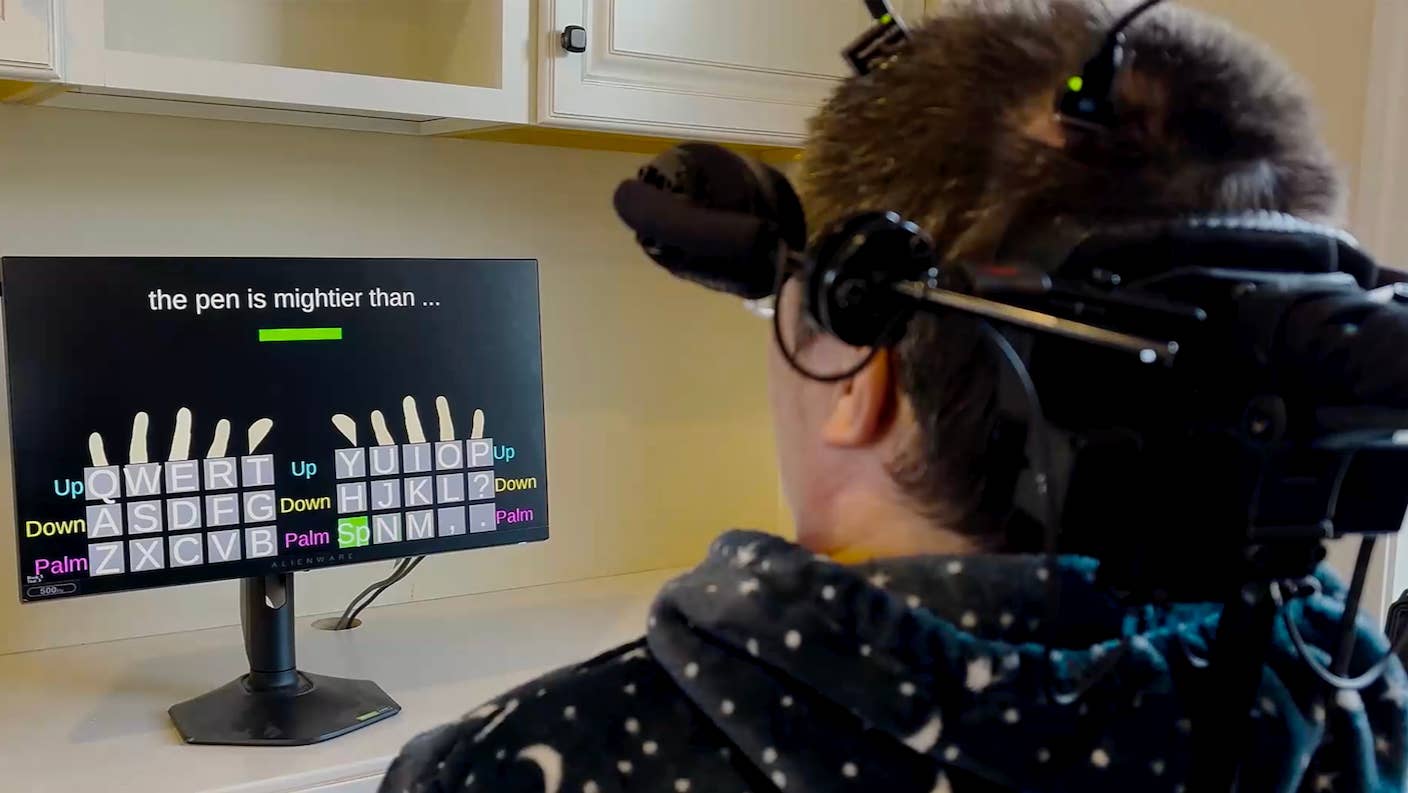
Brain Implants Let Paralyzed People Type Nearly as Fast as Smartphone Users

Hackers Are Automating Cyberattacks With AI. Defenders Are Using It to Fight Back.
These Mini Brains Just Learned to Solve a Classic Engineering Problem
Brain Implants Let Paralyzed People Type Nearly as Fast as Smartphone Users
Hackers Are Automating Cyberattacks With AI. Defenders Are Using It to Fight Back.
What we’re reading