High-Speed Photography Captures Art In Drops Of Water

Share

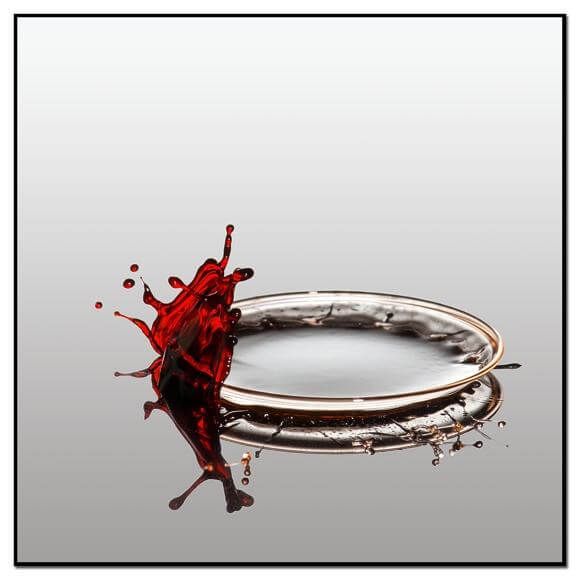
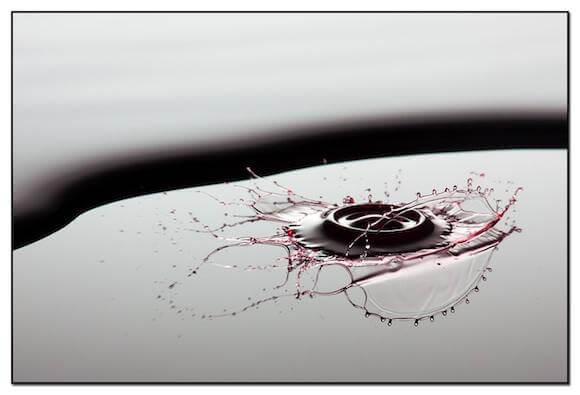
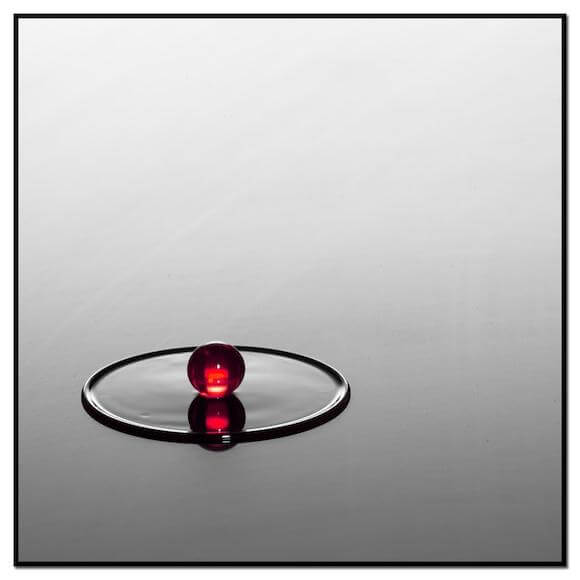
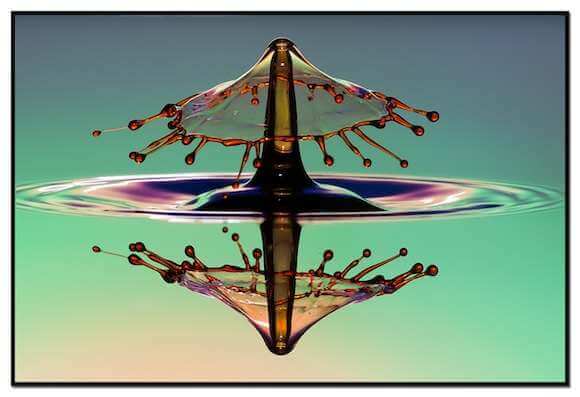
Jim Kramer is an amateur photographer, but his subjects aren't waterfalls or cityscapes. He narrows his focus on a natural process that most of us see everyday but rarely take notice of. He captures the beautiful shapes found in drops of water. His palette is made up of water coloring, and he uses liquids like glycerol and dishwashing soap to alter the water’s consistency.
The Flickr photo has notes on Kramer’s setup, which one comment lauded as “technically impressing, creatively remarkable.” The images are taken against the frosted plexiglass backdrop panels. He uses seven Yongnua YN-560 strobes controlled by a strobe distribution box that allows up to eight strobes to be triggered simultaneously. And the drops of colored liquid fall from a Mariotte siphon that sits in the silver ring at the top of his setup. The height of the siphon can be changed. Right now it sits at a height of two feet above the water surface.
High-speed digital cameras capture beautiful shapes that result as droplets smack the water’s surface. He’s doing some really magical photography, just take a look at his High Speed Water Drop Collection. Admittedly off topic for us, but what a joy to look at, like the longterm exposures of Roomba Art. Many more pictures can be found on Kramer’s Flickr page. I’ve included Kramer’s own titles and descriptions of the images.

Be Part of the Future
Sign up to receive top stories about groundbreaking technologies and visionary thinkers from SingularityHub.






Peter Murray was born in Boston in 1973. He earned a PhD in neuroscience at the University of Maryland, Baltimore studying gene expression in the neocortex. Following his dissertation work he spent three years as a post-doctoral fellow at the same university studying brain mechanisms of pain and motor control. He completed a collection of short stories in 2010 and has been writing for Singularity Hub since March 2011.
Related Articles
This Week’s Awesome Tech Stories From Around the Web (Through December 20)
Data Centers in Space: Will 2027 Really Be the Year AI Goes to Orbit?

New Gene Drive Stops the Spread of Malaria—Without Killing Any Mosquitoes
This Week’s Awesome Tech Stories From Around the Web (Through December 20)
Data Centers in Space: Will 2027 Really Be the Year AI Goes to Orbit?
New Gene Drive Stops the Spread of Malaria—Without Killing Any Mosquitoes
What we’re reading