Why Quantum Computers Will Be Exponentially Faster Than Digital Computers

Share
Classical computers (like the one you may be reading this on) calculate using bits, or binary digits, which can have only one of two values, either 1 or 0. Quantum computers, however, calculate using quantum bits, known as qubits. Qubits can be both 1 and 0 simultaneously—meaning they can perform two calculations at once.
This is only possible on the smallest scales, where the laws of quantum physics hold sway, and makes for massively faster computing compared to digital computers.
Though quantum computing technology is advancing, the code required is very different than what’s used by traditional computers. Quantum computers need specialized quantum algorithms to operate—and not many exist today.
Be Part of the Future
Sign up to receive top stories about groundbreaking technologies and visionary thinkers from SingularityHub.

In this week’s episode of Tech-X-Planations you’ll learn about the underlying principles that make quantum computers possible and very powerful.
Image Credit: martinlubp/Creatas Video/Getty Images

Related Articles
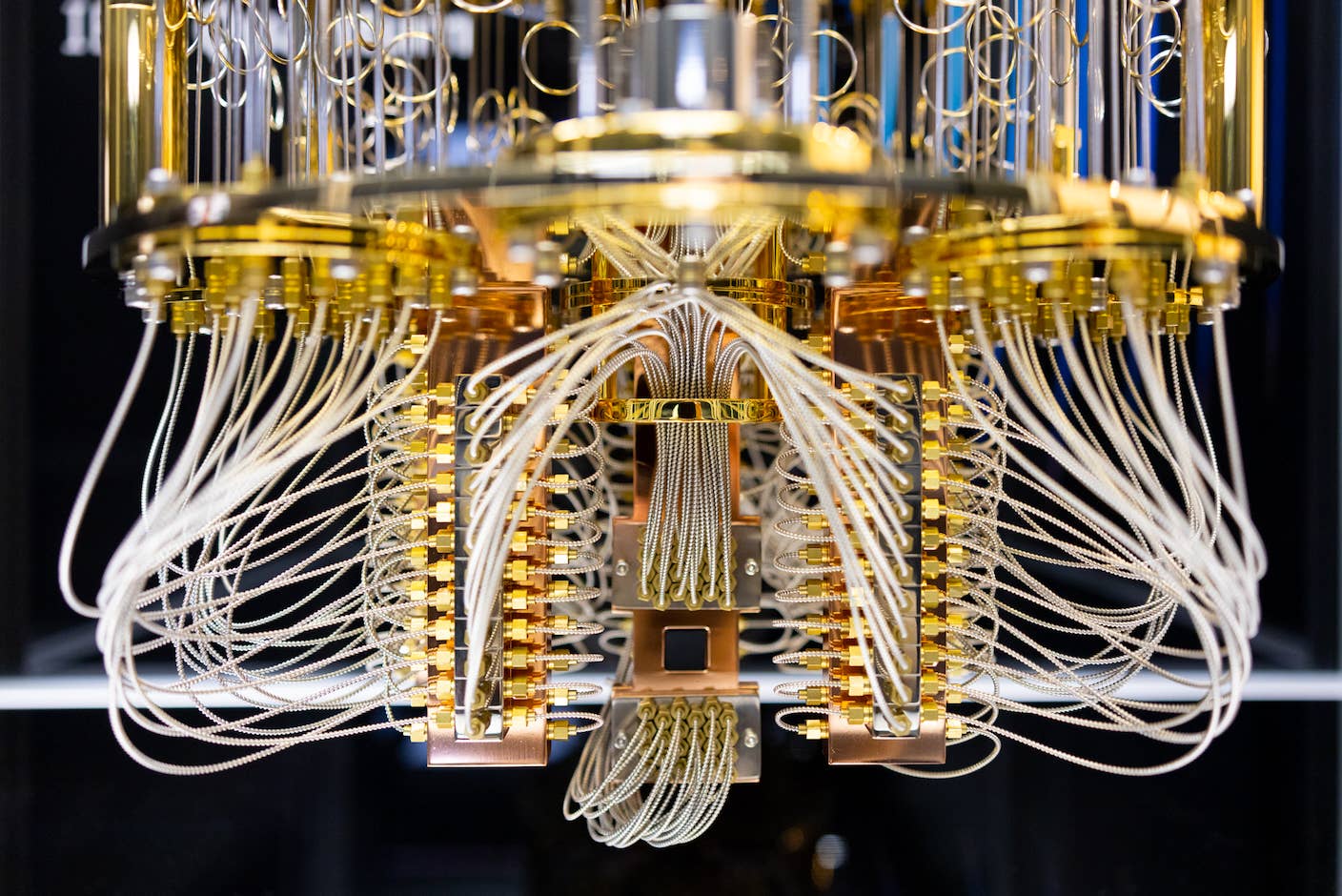
US Launches $215 Million Race to Build an Error-Corrected Quantum Computer by 2028
Heat Is an Orbital Data Center’s Greatest Foe. These Tiles Dump It at the Source.

Europe Approves Bionic Eye to Restore Vision Lost to Blindness
US Launches $215 Million Race to Build an Error-Corrected Quantum Computer by 2028
Heat Is an Orbital Data Center’s Greatest Foe. These Tiles Dump It at the Source.
Europe Approves Bionic Eye to Restore Vision Lost to Blindness
What we’re reading