FDA Set to Approve First CRISPR Therapy That Edits Genes Inside the Body
The one-time treatment, lonvo-z, targets a genetic disorder that triggers painful and potentially dangerous swelling in the throat and elsewhere in the body.

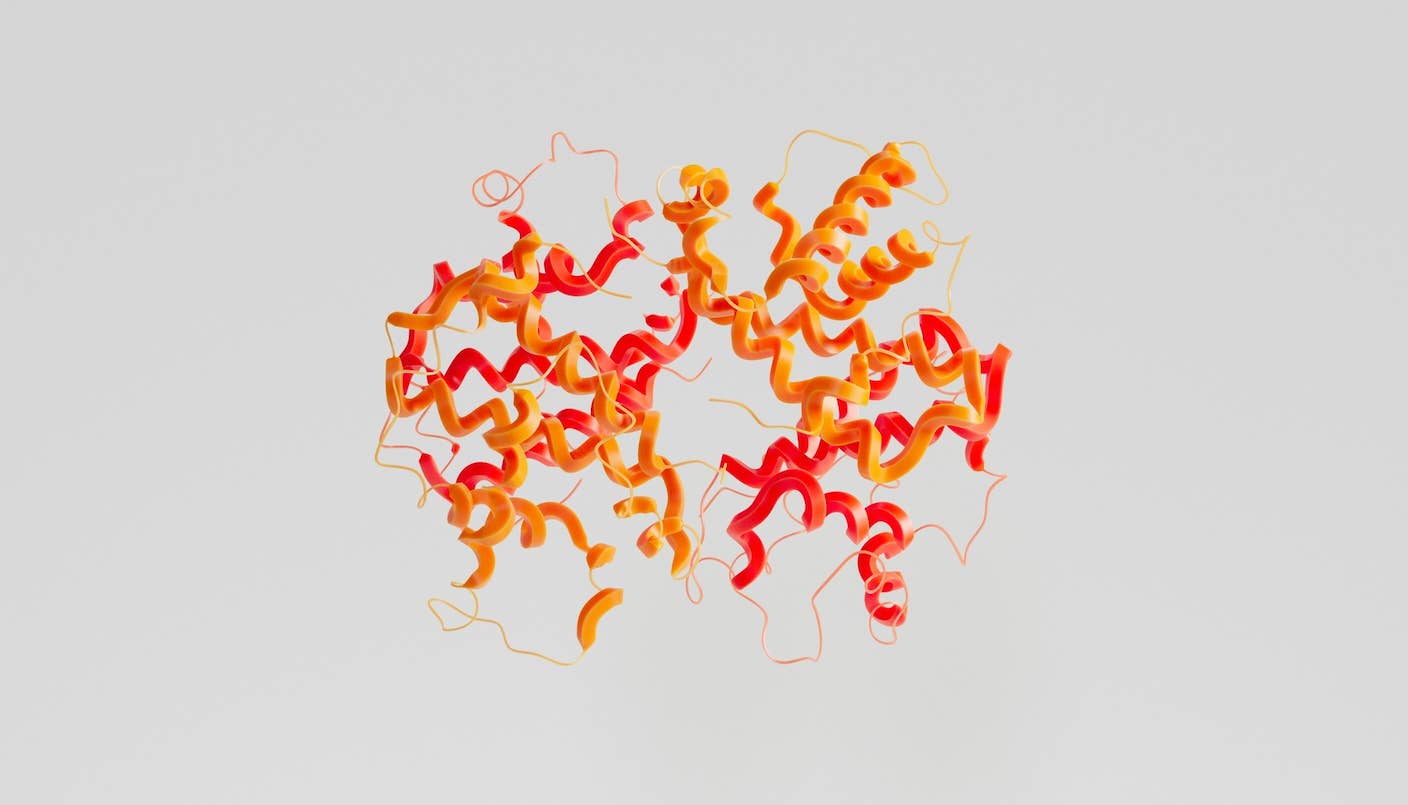
Image Credit
Sangharsh Lohakare on Unsplash
Share
Gene editing could cure a host of deadly hereditary diseases, but current approaches are slow, costly, and grueling for patients. A new “one-and-done” therapy that edits genes directly inside the body could change the arithmetic and is on the cusp of approval in the US.
Today’s only approved CRISPR treatment, Casgevy, works by extracting a patient’s blood stem cells, sending them away to be edited, and then infusing them back into the body. Each dose has to be made individually, and patients must first go through harsh chemotherapy to make way for the modified cells.
Editing cells outside the body has been the established route so far because it sidesteps concerns about off-target edits and the difficulty of delivering the editing machinery to the right place in the body. It also means each treatment is bespoke, dramatically increasing the cost and complications.
More recently, researchers have focused on approaches that edit cells inside the body. And now, Intellia Therapeutics has asked the FDA to approve a therapy that edits genes in the liver to treat a rare swelling disorder. The submission is based on promising results that show the treatment worked in patients for four years, according to Nature.
The therapy targets a form of hereditary angioedema, a genetic disorder that triggers painful and potentially dangerous bouts of swelling in the throat and elsewhere in the body. Existing drugs can help prevent attacks, but they are only partially effective, access is patchy, and patients have to take them for life.
Intellia’s new drug lonvoguran ziclumeran (lonvo-z) uses CRISPR-Cas9 gene editing to switch off the gene that produces prekallikrein, a liver protein that causes blood vessels to leak fluid, leading to swelling in surrounding tissue.
Be Part of the Future
Sign up to receive top stories about groundbreaking technologies and visionary thinkers from SingularityHub.

But rather than editing cells extracted from the body, the treatment encapsulates mRNA sequences encoding the CRISPR machinery inside tiny fat-based particles. After they're infused into the blood, these nanoparticles travel to the liver, where prekallikrein is made, and are absorbed by liver cells.
Once inside they release their cargo, and each cell reads the mRNA and builds the gene editing machinery itself. The newly constructed gene editor then cuts the cell’s DNA at the target gene, deactivating it. The infusion takes only four hours, so the whole procedure is done in a day.
Clinical results so far have been encouraging. In an 80-person trial published in the New England Journal of Medicine in June, 62 percent of those given lonvo-z had no swelling attacks in the six months after treatment, compared with 11 percent of those who received a placebo. The treatment cut attack rates 87 percent overall and moderate or severe attacks 91 percent.
The newly released long-term figures pooled participants from several trials, who had averaged more than three attacks a month before treatment. The number of attacks fell to fewer than 0.5 a month afterwards and stayed there for four years, with no serious safety events.
“It’s very reassuring,” Jonathan Bernstein, a hereditary-angioedema specialist at the University of Cincinnati in Ohio and an investigator on a lonvo-z trial, told Nature, referring to the four-year results. “That’s what you’re supposed to see.”
For patients, Bernstein said, a one-off gene edit could replace a lifetime of managing medications to prevent and treat attacks. And it would avoid many of the hurdles that come with editing cells outside the body.
But editing genes inside the body brings a different set of risks. For a start, there is no opportunity to screen out cells in which the CRISPR system has made unwanted edits elsewhere in the genome. Patients could also suffer harmful immune reactions to the treatment.
Intellia already had one serious safety scare last year. The FDA put two of the company’s in vivo trials for a different disorder on hold after a participant with other health conditions died following treatment.
The episode worries Sandra Christiansen, a hereditary-angioedema researcher and retired clinician at the University of California, San Diego, who told Nature she is uneasy about the unintended consequences of permanently removing a protein the body normally makes. “The question is really: Well, you are doing a permanent intervention, and you’re taking out a normal gene,” she said. “Could that be a problem?”
Intellia is not the only group trying to edit genes inside the body though. Eli Lilly is testing a one-shot treatment called VERVE-102 that switches off a cholesterol-related gene in the liver using base editing, a more precise version of CRISPR. And Prime Medicine recently treated the first person in a trial using prime editing to fix a mutation behind Wilson disease, which causes copper to build up in the liver.
If the FDA gives the go-ahead, lonvo-z would claim the title of the world’s first CRISPR medicine delivered directly into the body. Whether it lives up to its one-and-done billing, however, will depend on how patients fare in the years that follow.

Related Articles

Novel Gene Therapy Nearly Erases ‘Drug Resistant’ Seizures

Scientists Use AI-Designed CRISPR to Make Disease-Resistant Rice
Scientists Can Now Ask AI to Design Proteins Using Plain Language
Novel Gene Therapy Nearly Erases ‘Drug Resistant’ Seizures
Scientists Use AI-Designed CRISPR to Make Disease-Resistant Rice
Scientists Can Now Ask AI to Design Proteins Using Plain Language
What we’re reading