The Internet of Things Should ‘Rattle the Imagination’
Share
We’ve often written about the “Internet of Things.” This is the idea that as chips get smaller, more energy efficient, and more connected, we’ll embed them in everything around us to enliven inanimate objects and get them to do our bidding.
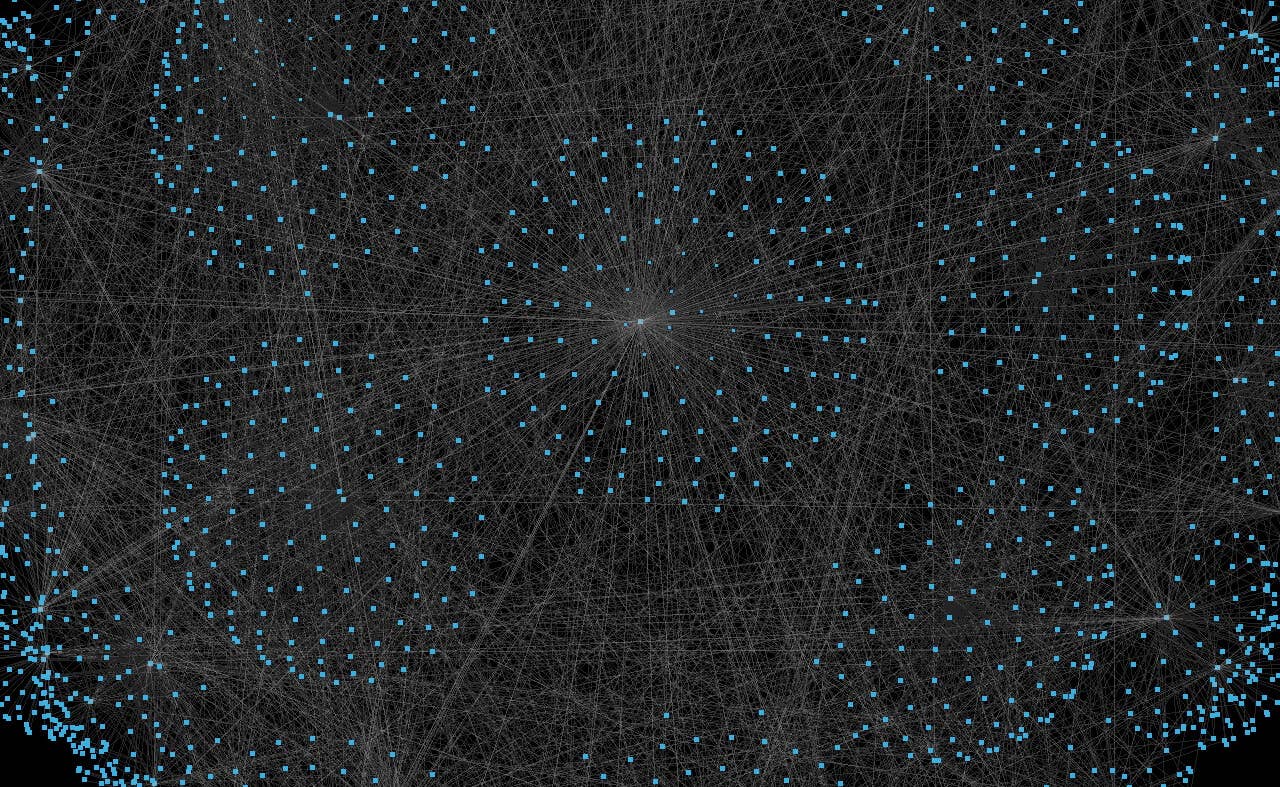
This enormous new digital network will mirror the internet in the material world. It will be a massive grid of interconnected nodes collecting information, executing commands, and just generally chattering away to each other day and night.
When you first see the potential of an idea like that, it might be mindblowing. But often the vision outpaces the practicality, and engineering challenges chase out the awe. What about security? Batteries and charging? Coherent operating systems?
These are all valid questions crucial to the development process. But if we’re to dedicate so much time and effort to building something, it’s useful to zoom out every once in awhile and recall why we embarked in that direction in the first place.
In a new video, Jason Silva reminds us of the potential of the Internet of Things and why it should "rattle" the imagination.
Be Part of the Future
Sign up to receive top stories about groundbreaking technologies and visionary thinkers from SingularityHub.

Image Credit: einer von denen/Flickr

Related Articles

Google DeepMind Gives AI-Designed Proteins a Watermark
US Launches $215 Million Race to Build an Error-Corrected Quantum Computer by 2028

How Would AI Actually Kill All Humans? Here Are the Top 5 Scenarios
Google DeepMind Gives AI-Designed Proteins a Watermark
US Launches $215 Million Race to Build an Error-Corrected Quantum Computer by 2028
How Would AI Actually Kill All Humans? Here Are the Top 5 Scenarios
What we’re reading