How One of Silicon Valley’s Oldest Companies Survived Tech’s Biggest Transitions

Share
In an industry that celebrates newcomers and disruptors, tech companies over a decade old take on the air of grizzled veterans. Still, some Silicon Valley companies manage to ride out the cycles. Founded in 1939 and still going, Hewlett Packard is famous for its longevity and its founding garage, where tourists can still drop by to visit the “birthplace of Silicon Valley.”
In an insightful book, Becoming Hewlett Packard, writers Robert Burgelman and Philip Meza and former HP executive Webb McKinney outline HP’s rise and evolution over the decades.
The company got its start in the age of vacuum tubes and survived the age of the transistor, the age of integrated circuits and microprocessors, and on into today’s fast-changing tech world. In an interview with Lisa Kay Solomon, chair of Transformational Practices at Singularity University, Meza and coauthor McKinney explain what HP got right (and not so right) over the years.
“Very few tech companies are able to make a single fundamental transition in technology, and HP survived probably five, six, or seven of them. So, there's something there that's worth studying,” Meza said.
Be Part of the Future
Sign up to receive top stories about groundbreaking technologies and visionary thinkers from SingularityHub.

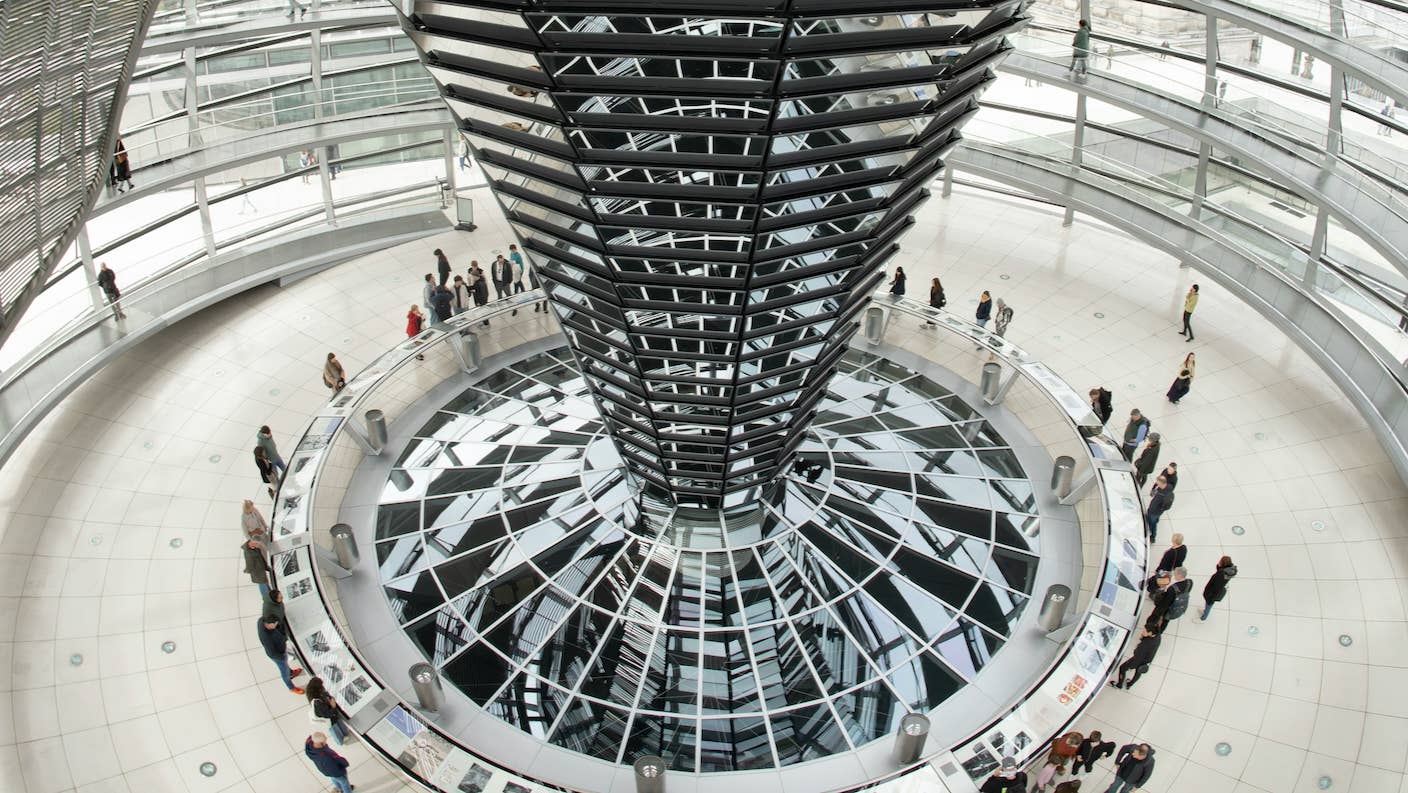
Image Credit: Sergey Panychev / Shutterstock.com
We are a participant in the Amazon Services LLC Associates Program, an affiliate advertising program designed to provide a means for us to earn fees by linking to Amazon.com and affiliated sites.

Related Articles

Epigenetic Editing Could Wipe Out Chronic Hepatitis B Infections

Google DeepMind Gives AI-Designed Proteins a Watermark
This Week’s Awesome Tech Stories From Around the Web (Through October 3)
Epigenetic Editing Could Wipe Out Chronic Hepatitis B Infections
Google DeepMind Gives AI-Designed Proteins a Watermark
This Week’s Awesome Tech Stories From Around the Web (Through October 3)
What we’re reading